Koh Rong Cambodia: The Island Guide That Tells You Which Side to Stay On
Updated June 2026 — James Hartley has been based in Phnom Penh for four years and has visited Koh Rong three times, including once in October that he still regrets. Prices in USD — Cambodia’s functional currency. Prices verified June 2026.
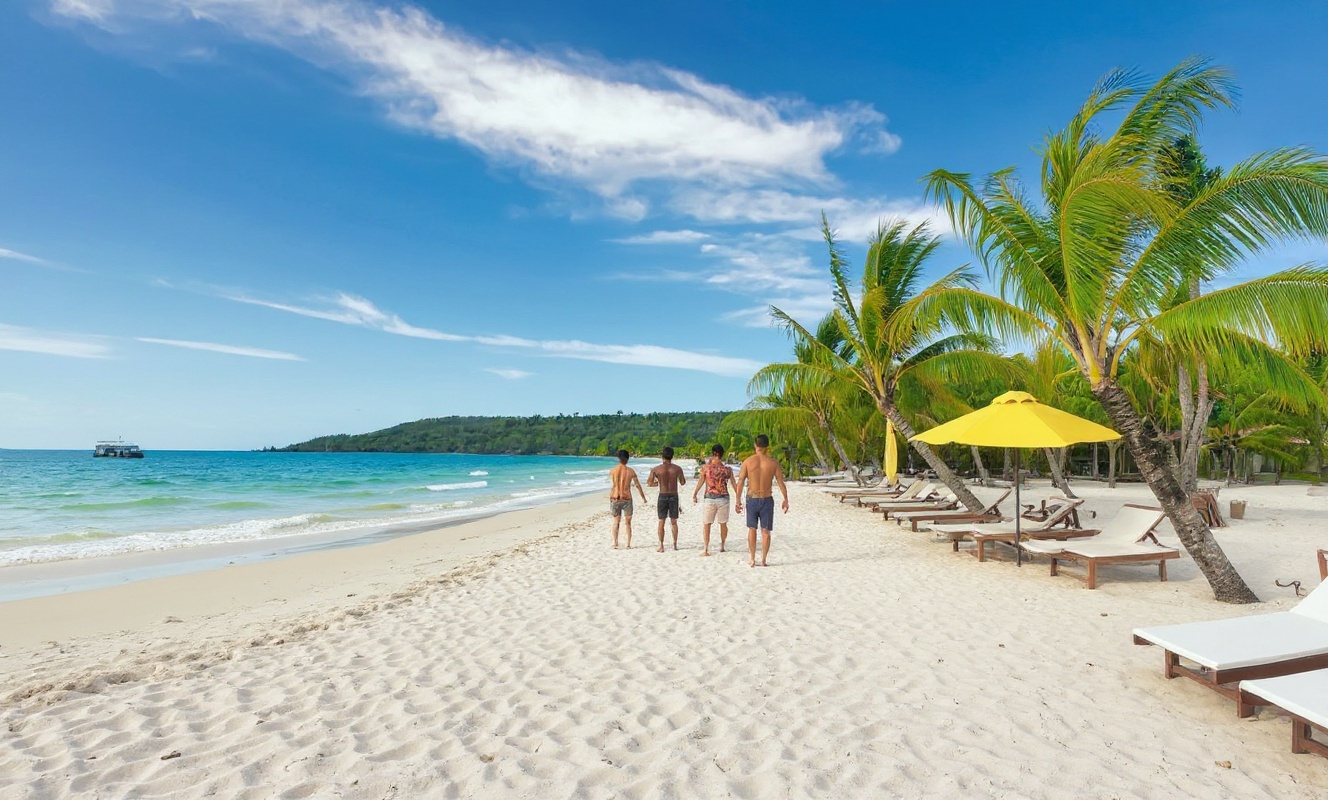
Koh Rong sits in the Gulf of Thailand off Cambodia’s southern coast, about 45–75 minutes by fast ferry from Sihanoukville. The water is clear, the sand is white, and on dry season nights (November–April) the bioluminescent plankton in the bays puts on one of the better natural light shows in Southeast Asia. The island has two distinct personalities depending on which beach you’re staying on. Choosing the wrong side is the main mistake first-time visitors make.
The Two Sides of Koh Rong: Which One Are You Going To?
Koh Rong is 78km² — Cambodia’s second largest island after Koh Kong — and has one main settlement (Koh Tuch village, at the ferry dock on the southeast coast) and one genuinely long beach (Long Beach, 7km of white sand on the west coast, no development, 40 minutes through jungle from the village).
The distinction between the two sides is significant enough that they represent essentially different types of holidays:
Koh Tuch / Village side (southeast coast): The ferry dock, the main beach strip, the restaurants and beach bars, the guesthouses. It’s the backpacker party version of Koh Rong — beach bars with fire pits, reggae music until 2am, drunk tourists who have just discovered that beer costs $1. It’s cheerful and energetic and, if that’s what you want, exactly right.
Long Beach / west coast: 7km of white sand accessible only by jungle trail (40 minutes from Koh Tuch) or by boat. A handful of bungalow operations at the north end of the beach. No vehicles. No bars playing music after 9pm. The bioluminescence is better here because there’s less light pollution from the village. If this is what you came for, this is the side to be on.
Police Beach: 5 minutes’ walk from Koh Tuch village, already significantly quieter than the main beach strip. A middle option if you want proximity to the ferry dock and restaurants but without the bar scene immediately in front of your bungalow.
Getting There: Ferries From Sihanoukville
All ferries to Koh Rong depart from Sihanoukville, which is Cambodia’s main port city on the southern coast, about 230km southwest of Phnom Penh (3.5–4 hours by bus, 5–7 hours). The ferry ride to Koh Rong takes 45–75 minutes depending on the operator and sea conditions.

Three main operators run the Sihanoukville–Koh Rong route:
Speed Ferry Cambodia: the most established operator, runs multiple departures daily (usually 8am, 12pm, 4pm in peak season), $15 each way. Online booking at speedferrycambodia.com — book ahead in December-February when boats fill up.
GTK Ferry: similar schedule, $12–15. Slightly older boats. Same departure point (the ferry terminal on the waterfront).
Island Speed Ferry: newer operator, $12–15, similar schedule. The boats are generally newer.
Worth knowing: Sihanoukville has undergone significant transformation over the last decade due to Chinese investment and the casino industry. The city itself is not a pleasant stop. Most travellers now arrive in Sihanoukville by bus, go directly to the ferry terminal, and get on the boat without spending time in the city. This is the correct approach. Book your ferry online before arriving so you don’t have to navigate the terminal.
From Phnom Penh, the easiest route is the Mekong Express or Capitol Tours bus to Sihanoukville (book a day ahead, $8–12), then the ferry. Total travel time Phnom Penh to Koh Rong: 5–6 hours door to dock.
| Koh Rong At a Glance | |
|---|---|
| Location | Gulf of Thailand, 25km west of Sihanoukville |
| Ferry time | 45–75 min from Sihanoukville |
| Ferry cost | $12–15 each way (Speed Ferry Cambodia, GTK, Island Speed Ferry) |
| Island size | 78km² — walkable between main areas in 40 min–1 hr |
| ATMs | Unreliable and rare — bring USD cash |
| Currency | USD (Cambodia’s functional currency) — bring $50–100 cash per person per day |
| Best time | November–April (dry season). DO NOT visit June–October. |
| Accommodation range | $5–15 dorm / $30–60 bungalow / $80–150 resort |
| Food prices | $8–15 per main — significantly higher than mainland Cambodia |
Bioluminescent Plankton: The Main Event
The waters around Koh Rong contain bioluminescent dinoflagellates — single-celled organisms that emit blue-green light when disturbed. At night, in the dry season, when there’s no moon and the plankton population is high, swimming through the water produces a light effect that looks like blue fire around your moving hands and body.
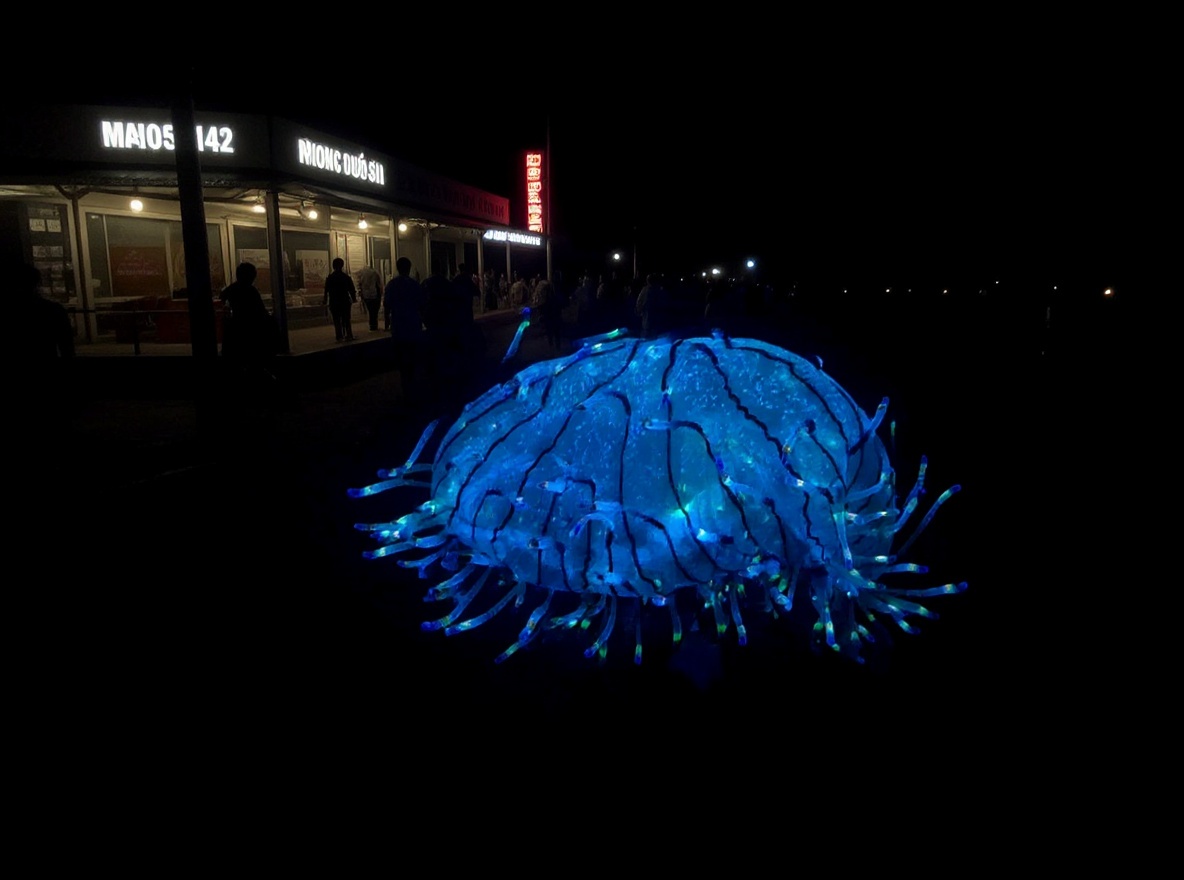
This is real, not exaggerated. I’ve swum in bioluminescent water in three countries. The Koh Rong version — specifically in the bay near Long Beach on a dark night — is the most intense I’ve experienced. The plankton density is higher here than most spots in Thailand or the Philippines.
The conditions required: dry season (November–April) for calm seas and no rain washing out plankton, a new moon or overcast sky (full moon washes out the effect), and water that’s been calm for several days. The bioluminescence is present year-round in principle but rainy season waters are rougher and the plankton population is lower.
Where to see it: any of the island’s beaches work, but Long Beach and the bays on the west coast are best because of lower light pollution from the village. Organized night swimming tours run from the village side ($8–12 per person, includes a guide with a boat to a darker bay). Or wade in from Long Beach after 10pm on your own — no tour required.
JAMES’S NOTE: Don’t use sunscreen before night swimming — it damages the plankton and kills the effect for anyone else in the water. Rinse off first. This is both ecologically correct and practically necessary if you want to see what you came for.
Long Beach: The 7km Beach With No Infrastructure
Long Beach (also called “4K Beach” on some maps) runs 7km along Koh Rong’s west coast and is the best beach on the island by a meaningful margin. White sand, clear water, shallow for a long way from shore, and almost no development along the main stretch.
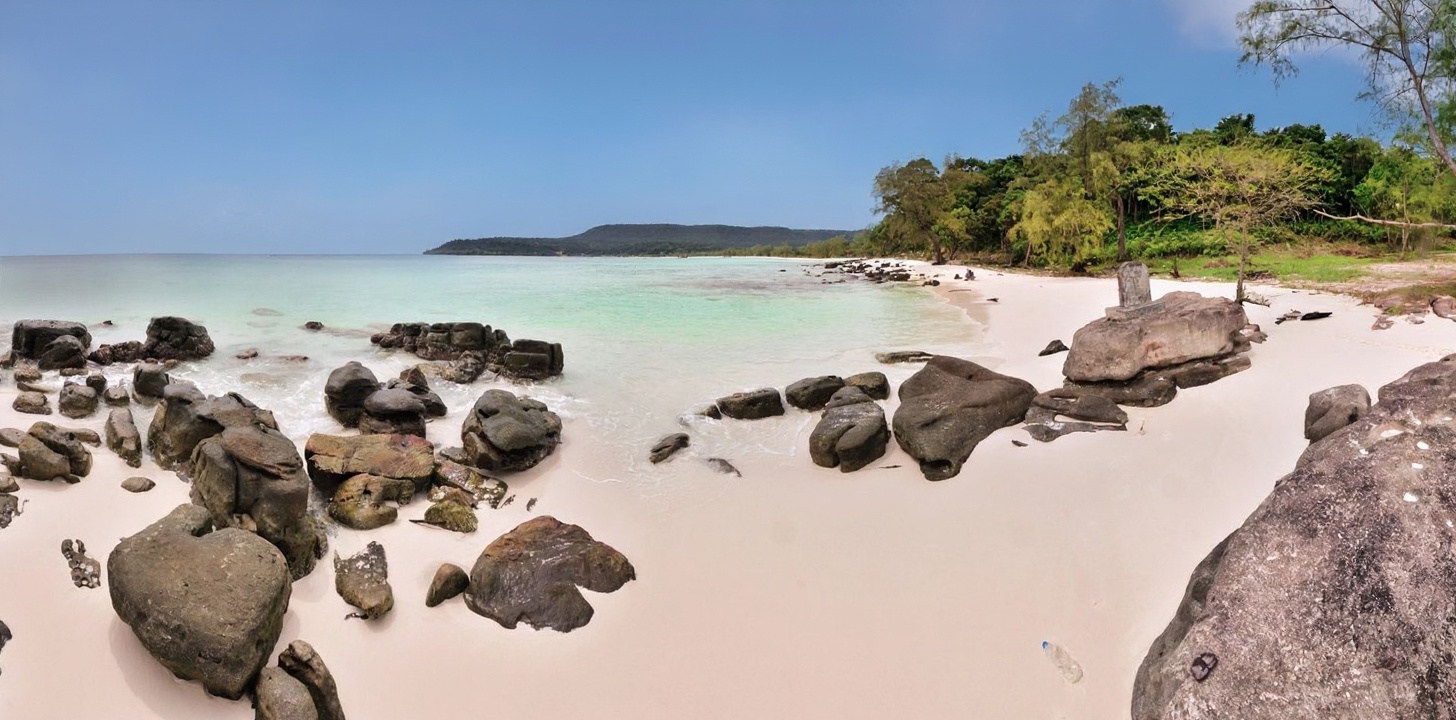
Access from Koh Tuch village: 40-minute jungle trail (follow the signposted path from behind the village, bring water and shoes that won’t slide). Alternatively, water taxi from Koh Tuch dock (5–10 minutes, $3–5 each way). Most people take the boat in and walk back or vice versa.
The north end of Long Beach has a small cluster of bungalow operations — a handful of guesthouses with basic rooms ($30–60) and beach restaurants. If you stay here, you’re committed to being away from the ferry dock, the pharmacy, and most services. The trade-off: this is where the bioluminescence is best, the beach is empty by 5pm, and the loudest sound at night is the ocean.
Koh Rong vs Koh Rong Sanloem
Koh Rong Sanloem is a separate island 2km south of Koh Rong, reachable by speedboat from Sihanoukville (30–45 min) or by boat from Koh Rong itself ($5–8, runs irregularly). It’s smaller, quieter, and has better snorkeling at Saracen Bay — a protected, shallow bay with coral and reef fish visible from shore.
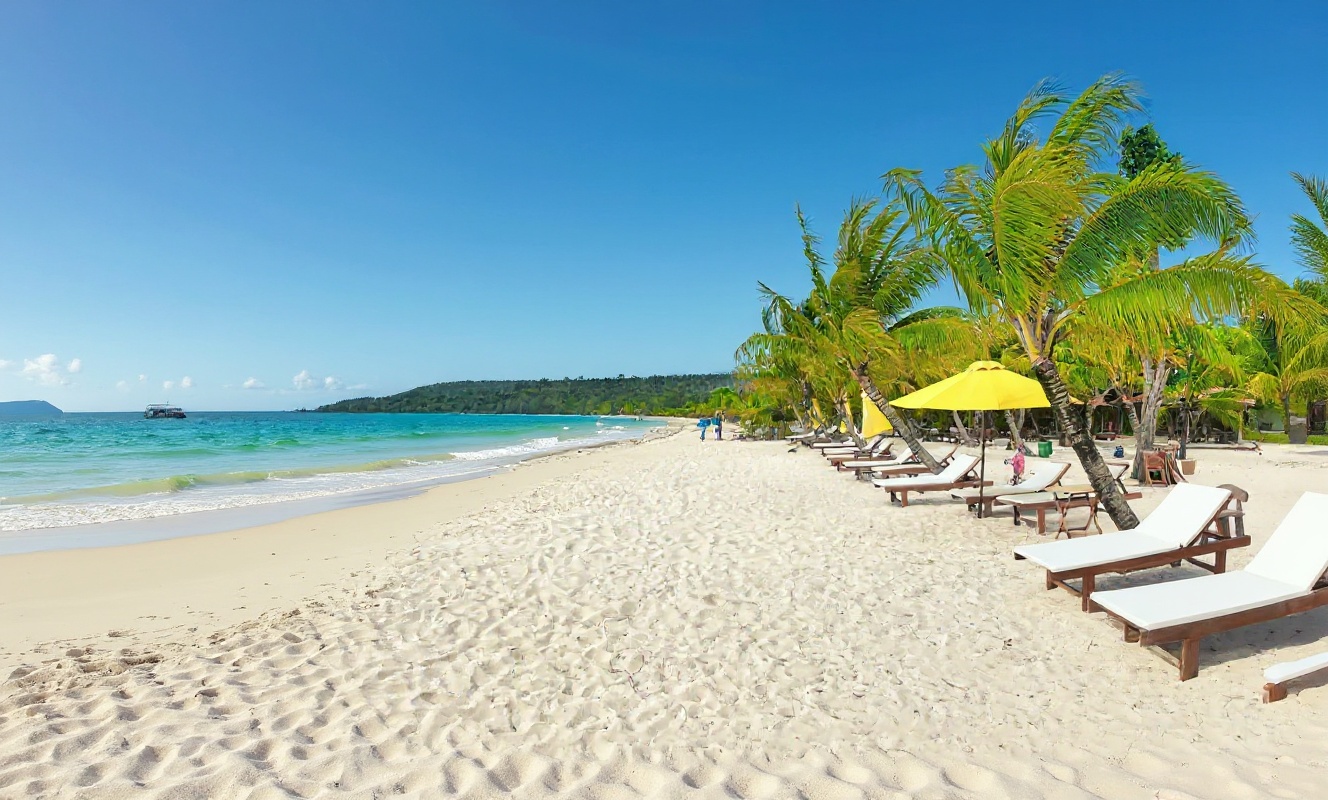
The short answer on which to choose:
Koh Rong: more beaches, more activities, the best bioluminescence, the party option if you want it, more accommodation at more price points.
Koh Rong Sanloem: quieter overall, better snorkeling directly from the beach at Saracen Bay, no party scene, fewer accommodation options. The right choice if you specifically want calm water and snorkeling rather than the 7km Long Beach experience.
Many travellers with a week or more split the time: 3–4 nights on Koh Rong (Long Beach side), 2–3 nights on Koh Rong Sanloem. There are boat services between the islands. The Angkor Wat guide covers the north of Cambodia — Koh Rong is the counterpart if you want south-coast beach time on the same itinerary.
Food and Accommodation: The Honest Version
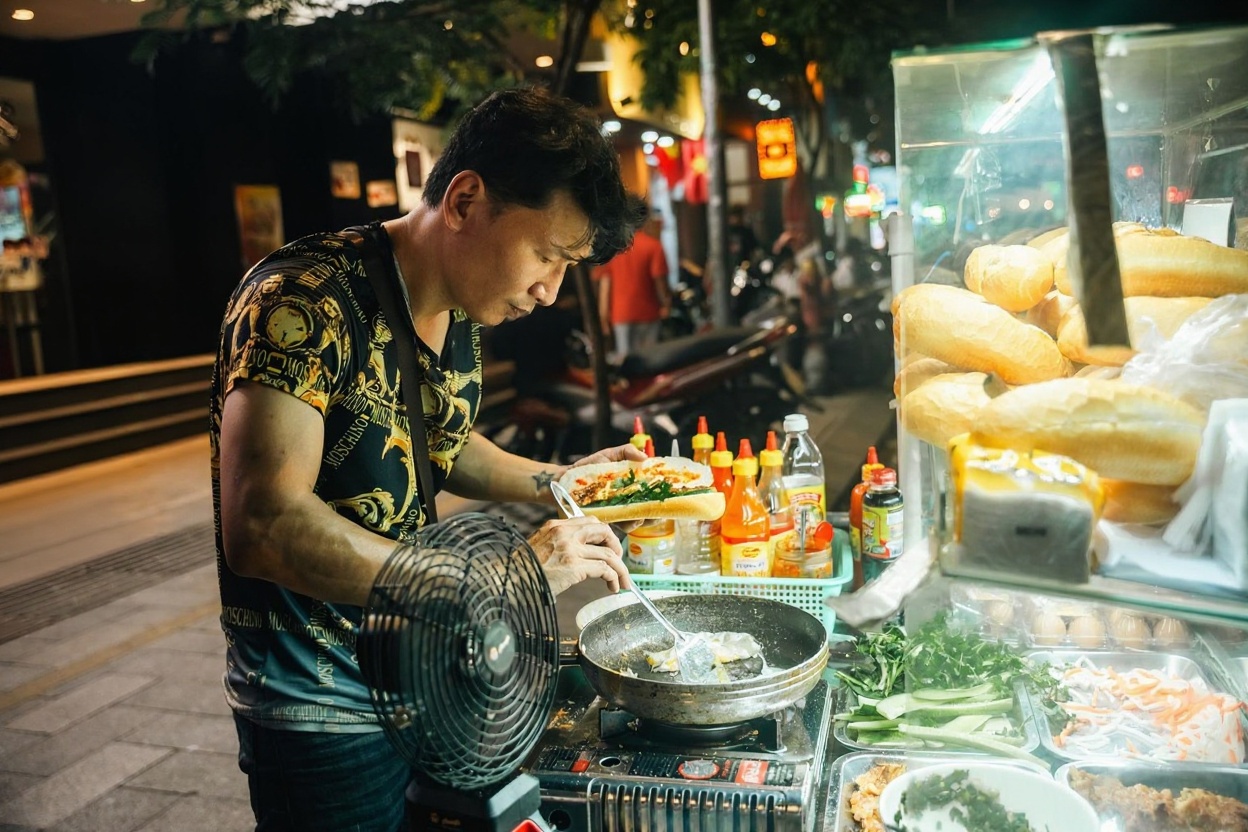
Food on Koh Rong is expensive relative to the rest of Cambodia. Expect to pay $8–15 for a main course at a beach restaurant — 2–3x what the same dish costs in Phnom Penh or Siem Reap. This is a consistent feature of island economics and not specific to Cambodia. The seafood is fresh (the fishing boats come in daily) and the fish amok and grilled barracuda are worth the markup. The pad thai and burgers are not.
Accommodation breakdown by type:
Dorm beds (Koh Tuch village): $5–15, basic fan rooms, usually above beach bars. Noisy until late. Right for backpackers on a tight budget who want the social scene.
Bungalows (mid-range): $30–60 for a private bungalow with fan or basic A/C, available at various locations around the island. The Long Beach bungalows at this price point are the best value for what you get — beach access, quiet, the bioluminescence on your doorstep.
Resort accommodation ($80–150+): a handful of operations around the island have comfortable bungalows with proper A/C, hot water, and nicer beds. Royal Sands at the south end of Long Beach area is the most established. These book out significantly in advance during December–February peak season.
ATMs on Koh Rong: there are two on the island, both unreliable. Bring $100–150 USD cash per person for a 3-night visit. The guesthouses and restaurants accept USD. Small change in Cambodian riel is sometimes returned. Do not arrive cashless.
Snorkeling, Kayaking, and What to Actually Do
Koh Rong is primarily a beach destination — the point is to be somewhere beautiful and swim. That said, there are a few things worth knowing:
Snorkeling: The reef quality around the main village beaches is moderate. For better visibility, take a day trip boat to the uninhabited islands east of Koh Rong (Koh Thmei, Koh Poh) or go to Koh Rong Sanloem’s Saracen Bay. Day trip operators run from the village dock ($15–25 including snorkel gear). Water clarity is best November–February before pre-monsoon warming.
Kayaking: Kayak rental from beach operations costs $5–8 per hour. Paddling the coastline between Koh Tuch and Police Beach at low tide, when the rock formations at the headland are exposed, is a good way to see the island’s geography. Don’t attempt open-water crossings to other islands — the currents between the island group are stronger than they appear from shore.
Jungle trekking: The 40–50 minute trail across the island from Koh Tuch to Long Beach is the main overland route. Local guides ($10–15) are worth hiring for the first crossing. The island interior is dense tropical jungle with birds and monitor lizards that the beach-focused visitor demographic rarely sees.
Diving: A handful of operators run courses and fun dives. Visibility is moderate (8–15m) — Koh Rong is not a renowned dive destination compared to Thailand, but PADI Open Water certification is available for $280–350. Scuba Nation and Dive Shop Cambodia are the most established operators.
What to Bring to Koh Rong
The island is far enough from the mainland that anything forgotten costs more or is unavailable. Essential list:
USD cash ($150+ per person for 3 nights): ATMs exist but fail regularly. Everything on the island accepts USD. Small Cambodian riel is useful for exact change.
Insect repellent with DEET: Sand flies at some beaches at dawn and dusk, mosquitoes after dark. Bring your own — island prices are inflated.
Reef-safe sunscreen: Standard ecological practice and increasingly required by tour operators. Bring from Phnom Penh where it’s cheaper.
A torch or headlamp: Long Beach bungalows have limited electrical infrastructure after 10pm. The beach is lit by starlight, not streetlights. Costs $8 in Phnom Penh, immediately useful on arrival.
Any prescription medication: The island has basic first aid. Anything specific needs to come from the mainland — Phnom Penh pharmacies are well-stocked, Sihanoukville less so.
A power bank: The Long Beach bungalows have solar or generator power with limited charge points. If your phone is your camera, navigation tool, and booking reference, a charged power bank removes one category of island anxiety entirely. Charge everything in Phnom Penh or Sihanoukville before boarding the ferry.
Rash guard or light shirt for reef activities: The sun intensity in the Gulf of Thailand is significant — floating on the surface while snorkeling produces a back and shoulder burn that standard sunscreen doesn’t fully prevent. A rash guard weighs nothing and packs flat.
Koh Rong in a Cambodia Itinerary
Most Cambodia itineraries focus on Siem Reap (Angkor complex) and Phnom Penh. Koh Rong adds the southern beach element and works best as the final section of a 10–14 day trip.
A workable 12-day structure: 3 nights Siem Reap → 3 nights Phnom Penh → overnight bus to Sihanoukville → ferry to Koh Rong → 4 nights → ferry back → fly from Sihanoukville or bus to Phnom Penh for the international flight.
Budget for the island section: $50–80 per person per day covering accommodation, food, activities, and ferries. This is higher than mainland Cambodia ($30–40/day) specifically because of the island price premium on food and accommodation.
The Angkor Wat sunrise guide covers the most important morning of the northern Cambodia leg. The Kampot guide covers the river town 1.5 hours east of Sihanoukville — worth a night before or after the Koh Rong ferry if you want a non-beach day on the southern coast.
The Mistake James Made (Don’t Visit in October)
Third visit to Koh Rong was October 2024. I’d been busy through the summer and the beach trip kept getting pushed back. October felt fine — still technically before the official end of rainy season (which runs roughly June to October), but late enough that I figured it would be drying out.

It was not drying out. The ferry from Sihanoukville was rough — 75 minutes of significant swell, half the boat feeling sick. The night swim I’d planned for the bioluminescence: cancelled by the operator due to rough conditions. The bioluminescence: present but the churned water makes it diffuse rather than concentrated. The beach: fine, but it rained every afternoon for three days.
November is when it changes. The northeast monsoon brings dry, clear weather to the Gulf of Thailand coast. The sea calms. The plankton population concentrates. The bioluminescence peaks. November to February is the correct time for Koh Rong. March and April are still good but can be hot. Everything from May to October involves varying degrees of risk on the sea crossing and disappointment on the bioluminescence.
- When is the best time to visit Koh Rong?
- November to April — the dry season. The sea is calm, the ferry crossings are reliable, and the bioluminescent plankton is at peak density. December to February is peak tourist season with the best weather. May to October is rainy season: rough seas, some ferry cancellations, and significantly less impressive bioluminescence.
- Is the bioluminescence at Koh Rong real?
- Yes — genuinely one of the best bioluminescent bays in Southeast Asia. The effect requires calm, dark conditions (new moon helps), dry season timing, and ideally a swim in the bay away from light pollution (Long Beach or a dedicated night swim tour from the village). The plankton lights up blue-green when disturbed by movement in the water.
- Which is better, Koh Rong or Koh Rong Sanloem?
- Koh Rong for Long Beach, better bioluminescence, and more accommodation options. Koh Rong Sanloem for Saracen Bay snorkeling, quieter overall atmosphere, and a more resort-style experience. Many travellers do both on a longer trip — the islands are 2km apart and boats run between them.
- Should I stay on the Long Beach side or in Koh Tuch village?
- Koh Tuch for the social scene, easy ferry access, and more restaurant options. Long Beach for quiet, the best bioluminescence, the best swimming, and genuine beach isolation. If you’re coming specifically for the natural experience, stay on Long Beach — the 40-minute jungle walk or $5 boat to the village is a reasonable trade for having it.
- Do I need to book ferries in advance?
- Yes, during December–February peak season, especially on weekends. Book a day or two ahead on speedferrycambodia.com or directly at the Sihanoukville ferry terminal. Off-peak (November, March–April), same-day is usually available but online booking saves the terminal logistics.
- Is it safe to swim at Koh Rong?
- Yes — the beaches are safe for swimming during dry season (November–April) when the sea is calm and the water is clear. During rainy season, the swell increases significantly and open water swimming becomes riskier. There are no lifeguards on any of the beaches. The main hazard during dry season is strong sun and staying in the water longer than intended without sunscreen reapplication. Jellyfish are occasionally present — the local beach operations will know if it’s a jellyfish period.
- How much does a trip to Koh Rong cost?
- Budget $50–80 per person per day on the island. That covers: accommodation $30–60 for a private bungalow, food $20–30 (two meals plus snacks at island prices), and activities $5–15 if you’re kayaking or doing a snorkel trip. The ferry adds $24–30 return. A 3-night stay typically costs $180–260 per person all-in including transport from Sihanoukville.
Koh Rong Month by Month: When Exactly to Go
The “November to April” dry season guidance is accurate but worth breaking down further because not all of those months are equal.
November: The monsoon has ended and the sea is calming. This is typically the best value month for Koh Rong — conditions are excellent, prices haven’t hit peak levels, and the crowds are noticeably thinner than December and January. The bioluminescence starts to peak as the water clears. If you have flexibility on when to go, November is the answer.
December–January: Peak season. The best conditions (clearest water, calmest seas, most reliable bioluminescence), the highest prices, and the most other tourists. The Long Beach bungalows book out weeks ahead in this window. Book early. Go anyway — this is the island at its best.
February–March: Still excellent. The post-Chinese New Year drop in tourist numbers (usually February) creates a brief window of peak conditions with slightly lower prices and fewer crowds. March is the last reliable month before the heat and pre-monsoon conditions start affecting the experience.
April: Hot. The Gulf of Thailand heats up in April and the water becomes less refreshing by midday. The bioluminescence is still present. Khmer New Year (mid-April) brings Cambodian domestic visitors to the coast and the island ferries are crowded around the holiday dates. Manageable, not ideal.
May–October: Don’t go. The southwest monsoon brings rough seas to the Koh Rong area from May through October. Ferry operators run reduced schedules or cancel entirely in rough conditions. The bioluminescence is diminished by rain-churned water. You will spend a significant portion of your island time either sheltering from rain or waiting for a ferry that may or may not run. I went in October. I’ve described what happened earlier in this guide. The short version: stay away.
Koh Rong Suggested Itineraries
Three nights (the minimum): Night 1 — arrive at Koh Tuch, walk to Long Beach by the jungle trail (40 minutes, go in the evening light), check into a bungalow at the north end. Night 2 — full day swimming, snorkeling, hammock. Evening: walk or boat to the darker bay section of Long Beach for bioluminescence after 10pm. Night 3 — kayak the coastline in the morning, afternoon boat to Koh Tuch village for dinner at a proper restaurant. Ferry back to Sihanoukville next morning.
Five nights (the better version): Add two nights on Koh Rong Sanloem after the Koh Rong section. Take the inter-island boat from Koh Tuch to Saracen Bay on Koh Rong Sanloem ($5–8, runs when enough passengers want it). Saracen Bay has better snorkeling than anywhere on Koh Rong itself — shallow, calm, with visible coral and reef fish from the beach. Two nights here before the ferry back to Sihanoukville is the optimal south coast island sequence.
The transit version (one night): If you genuinely only have one night, stay on the Koh Tuch village side — close to the ferry dock for the morning departure, reasonable restaurant options, and the night swim from Police Beach (a 5-minute walk) is still accessible. Set your alarm for 8am, get the morning ferry. You’ve seen enough to know whether you’ll come back for longer.
Koh Rong is genuinely worth it — the bioluminescence is real, Long Beach is real, and three nights in a bungalow at the north end of Long Beach in January is one of the better ways to spend time in Southeast Asia. Go in the dry season. Book the ferry. Stay on Long Beach if the party scene isn’t why you came. Bring cash. Questions in the comments, I check them. Go swim in the blue fire.