Last updated: June 2026 — safety information verified June 2026.
Cambodia is safe. Violent crime against tourists is genuinely uncommon, and the vast majority of people who visit — Angkor, Phnom Penh, the south coast — have no safety incidents whatsoever. The things that do catch people: bag snatching from motorbikes in Phnom Penh, phone theft in crowded tourist areas, and a messy situation in Sihanoukville that deserves its own honest section. None of this should stop you coming. All of it is worth knowing before you arrive.
I’ve been based in Phnom Penh for four years. I moved here for a six-week break and stayed when the flat in BKK1 turned out to cost $450/month. I’ve been robbed once — a phone grab from a motorbike on the riverside in 2023. I’ve had a tuk-tuk driver take three wrong turns and charge me extra for the privilege. I’ve also spent four years watching people arrive nervous and leave surprised by how straightforward it was.
Here’s the honest version.
The Overall Safety Picture
Cambodia is a post-conflict country with a complicated recent history — the Khmer Rouge period ended in 1979, and the country has been rebuilding its institutions ever since. That context matters for understanding what “safe” means here.
The official ratings:
– US State Department: Level 2 (Exercise Increased Caution). The advisory flags petty crime, bag snatching, and limited emergency services capacity in rural areas. It does not flag high violent crime.
– UK FCO: Standard precautions, with specific notes about bag snatching in Phnom Penh and caution around Sihanoukville. No advisory against travel to Cambodia.
The crime that affects tourists is almost entirely opportunistic property crime — bag snatching, phone theft, pickpocketing in crowded spaces. Violent crime targeting foreign visitors is rare. Cambodia’s violent crime problem, where it exists, is largely domestic and community-specific rather than targeting outsiders.
⚠Real Talk
Cambodia has a genuine rule of law problem — the judicial system is weak, corruption is endemic, and if something serious happens to you, the institutional response will not be what you’re used to at home. This is not a reason to avoid Cambodia. It is a reason to not put yourself in situations where you’d need to rely heavily on local institutions. Travel insurance matters here more than it does in, say, Germany.
Phnom Penh — What to Actually Watch
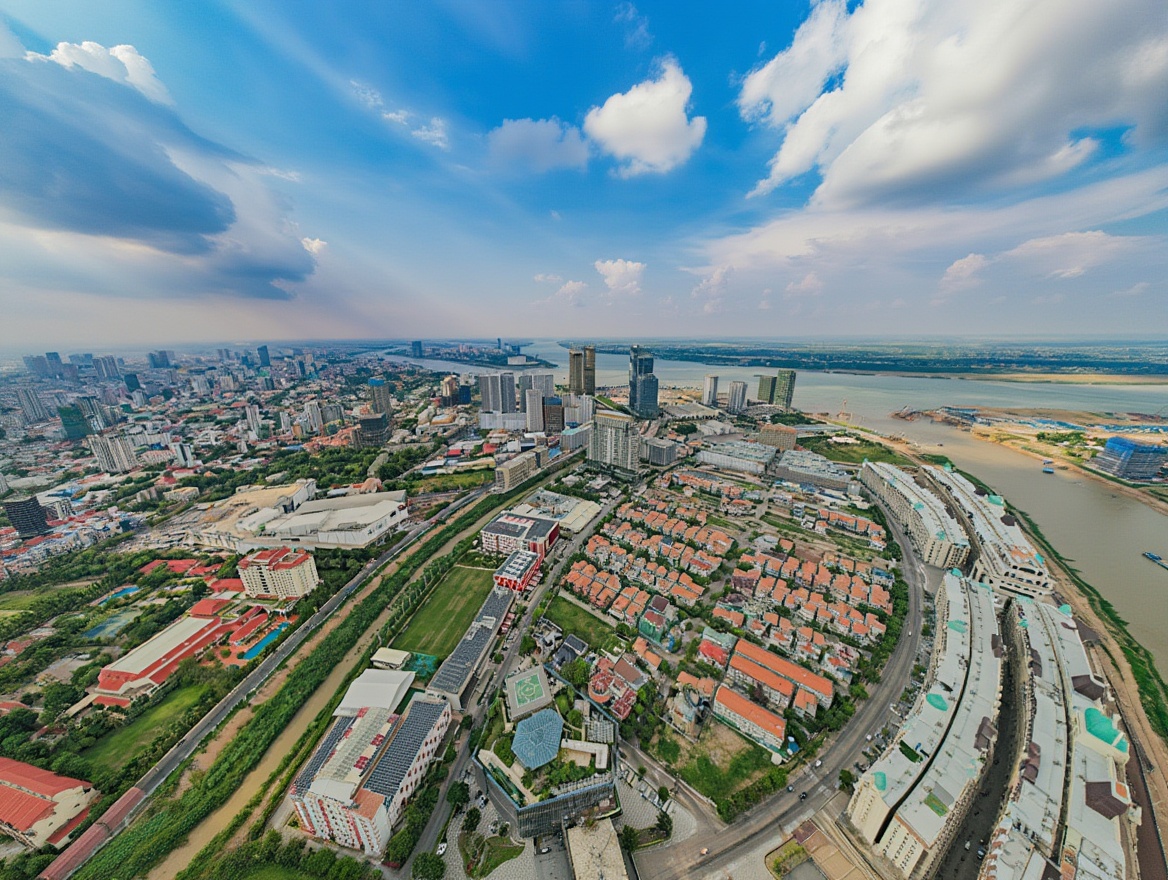
Phnom Penh is a city of four million people. It’s chaotic, loud, genuinely interesting, and has a bag-snatching problem that you should take seriously.
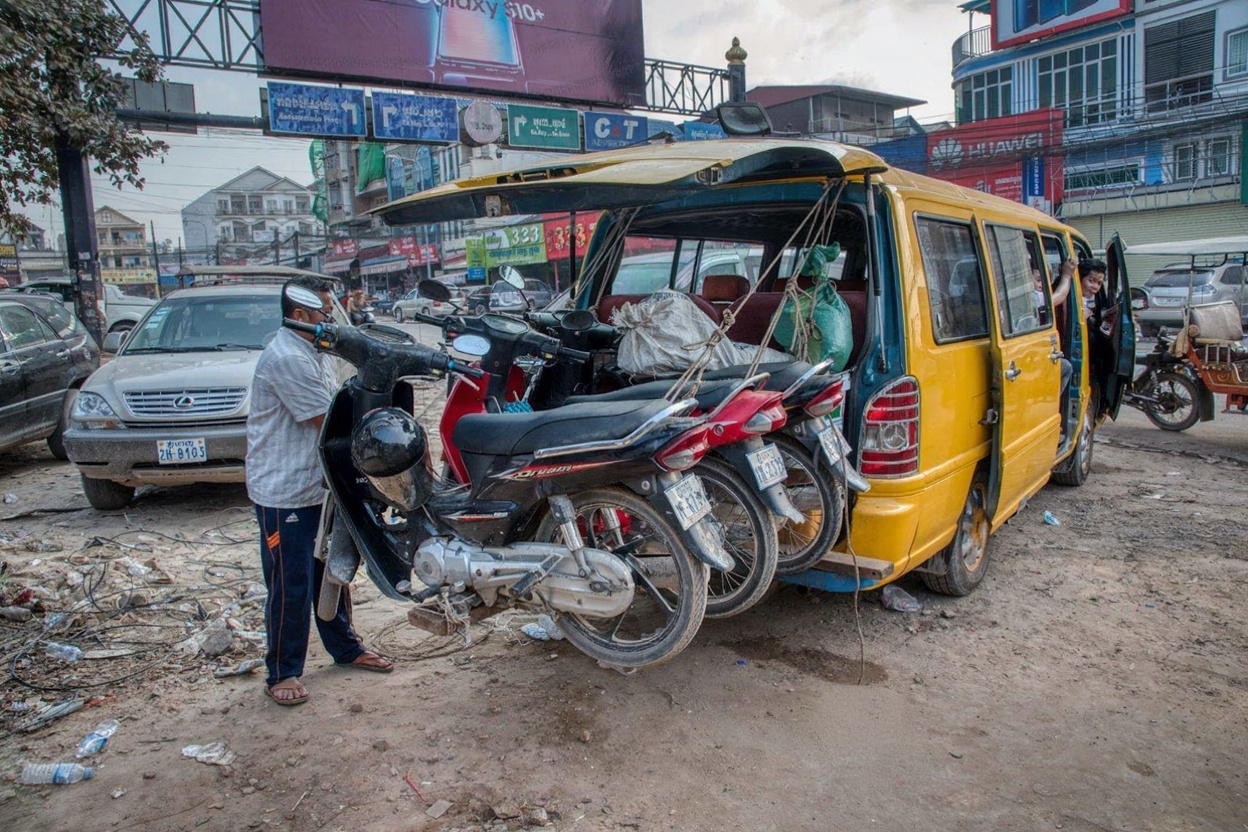
The specific risk: motorbike thieves who drive alongside pedestrians or tuk-tuks and grab bags, phones, and cameras. It happens on the riverside (Sisowath Quay), near Wat Phnom, and in tourist-heavy areas of BKK1. It happens more at night, but not exclusively.
What to do:
– Don’t walk with your phone in your hand on the riverside or in busy streets. Put it in a front pocket or an inner bag pocket.
– Bags: wear crossbody bags on the side away from the road. Thieves grab and go — making it harder is usually enough.
– At night on the riverside: stick to the well-lit sections, don’t flash expensive cameras, and take a tuk-tuk back to your accommodation after midnight rather than walking.
– Tuk-tuks: keep bags on your lap or between your feet, not on the seat beside you where they can be grabbed when you stop at lights.
I had my phone grabbed on Sisowath Quay in broad daylight in 2023. I was walking and had it out reading a map. Two seconds, gone. The fix was obvious in retrospect. Now I read maps before I leave or use a cheap secondary phone in the city. Lesson learned at the cost of one iPhone.
The rest of Phnom Penh’s tourist circuit — the Royal Palace, the National Museum, the Foreign Correspondents’ Club, the BKK1 restaurant strip — is perfectly manageable with normal awareness.
Siem Reap — Very Safe, Don’t Overthink It
Siem Reap is the safest major tourist destination in Cambodia. The entire city’s economy is built around foreign visitors, the tourist infrastructure is well-developed, and serious crime against tourists is rare to the point of being statistically negligible.
Petty theft exists in very crowded market areas. The usual advice applies: front pocket for the phone, don’t leave bags unattended. That’s it.
Tuk-tuk drivers in Siem Reap are generally honest, though overcharging is standard practice if you don’t know the going rates. The fix: know the rates before you negotiate (Angkor circuit tuk-tuk: $20–25 for the day, airport to town: $8–10). The Grab app gives transparent, non-negotiable pricing.
Sihanoukville — An Honest Assessment
Sihanoukville is the complicated one, and every guide should say so clearly.
The short version: Sihanoukville went through a dramatic transformation from 2016 to 2019, when Chinese investment poured in and turned it into a casino town. The subsequent crackdown on online gambling operations, pandemic closures, and economic disruption left a city that is still finding its footing. It has improved since 2021, but it remains a different environment from Siem Reap or coastal Kampot.
The actual risks in Sihanoukville:
– Petty theft and bag snatching are more common here than in Siem Reap or Phnom Penh’s tourist areas. Don’t leave belongings on the beach unattended.
– Drug-related activity exists in specific parts of town. The backpacker area has bars where drugs are openly offered — Cambodia has no formal tolerance policy, but enforcement is inconsistent. The risk isn’t arrest so much as being around unpredictable environments.
– Scams targeting tourists are more prevalent here than elsewhere in Cambodia — taxi overcharging, “gem scams,” unsolicited tour arrangements with inflated prices.
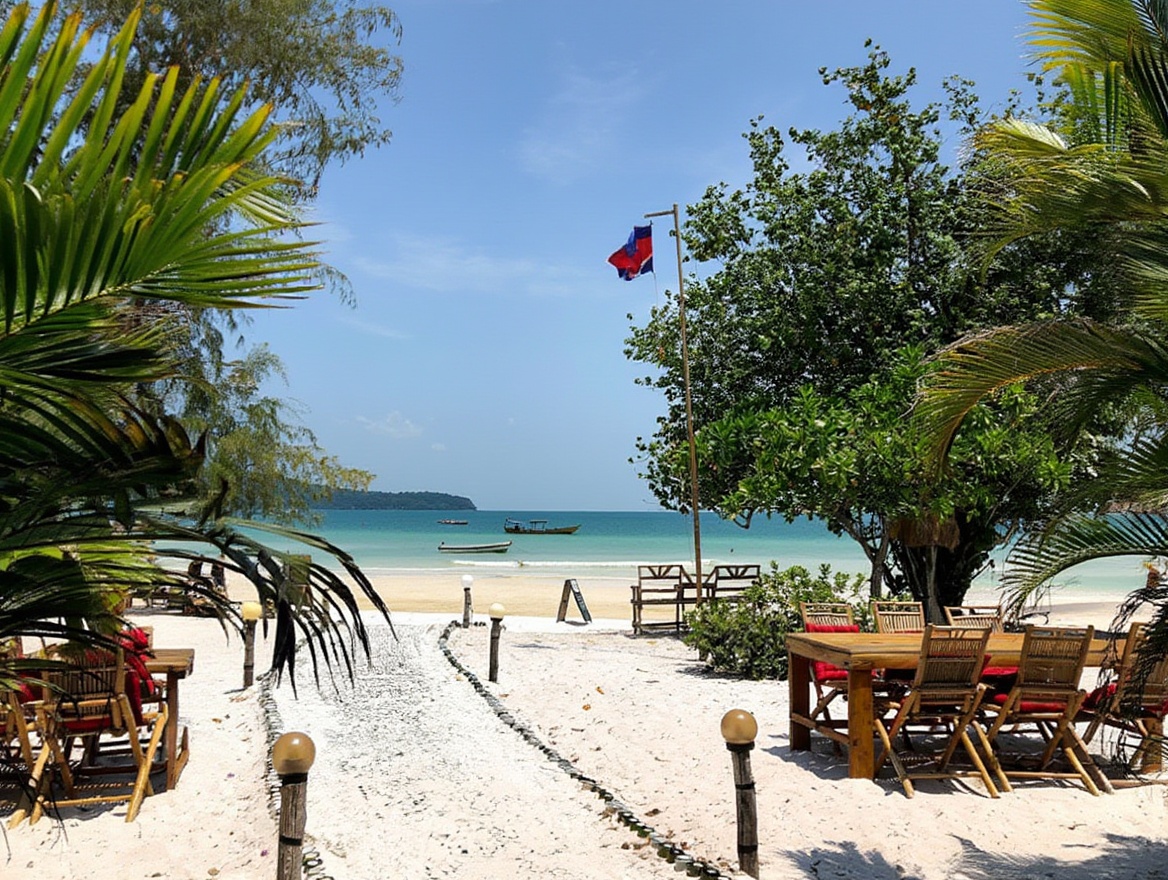
What Sihanoukville is actually like for most visitors: perfectly fine if you’re there for the beach, you book accommodation in advance, you keep your belongings secure, and you don’t go looking for trouble. The beaches — Ochheuteal, Serendipity, Otres — are good. The boat connections to Koh Rong and Koh Rong Sanloem (genuinely excellent islands) go from the port.
If Sihanoukville sounds like too much hassle: Kampot (2.5 hours east) is the relaxed, safe alternative with a functioning small-town atmosphere and no casino infrastructure. Most independent travellers who’ve been to both prefer Kampot.
The Landmine Question
Cambodia is one of the most heavily mined countries in the world. The Khmer Rouge and subsequent conflict left an estimated four to six million landmines and unexploded ordnance across the country, primarily in the northwest — Battambang, Banteay Meanchey, Pursat, and Pailin provinces near the Thai border.
Clearing work has been ongoing since the 1990s and continues today. The HALO Trust and MAG (Mines Advisory Group) operate extensively here.
What this means for tourists: nothing, on the standard tourist circuit. Phnom Penh, Siem Reap, the south coast, Kampot — none of these areas have active landmine risk on paths and roads that tourists use. The risk is specific to:
– Rural areas in the northwest, particularly off-road
– Forest areas away from established paths in Battambang and surrounding provinces
The rule is simple and the advice from every demining organisation is identical: never walk in unfamiliar rural areas off established paths, and if you see a red warning sign or skull-and-crossbones marker, stop and turn back on the same path you came in. In the tourist areas you’ll visit, you won’t encounter these signs. In remote rural areas, they exist and they matter.
The Akira Landmine Museum outside Siem Reap (25km north on the road to Banteay Srei) documents this in more depth. Worth visiting — not as alarm-raising, but as context for understanding what Cambodia went through and is still dealing with.
Scams Worth Knowing
Cambodia has a functioning tourist scam economy, mostly mild by Southeast Asian standards:
The tuk-tuk “friend” who has a cousin with a gem shop / tailor / restaurant: a driver takes an interest in your plans and steers you toward a business that pays them commission. The merchandise is usually overpriced. The fix: say you already have plans, and if you want recommendations, ask your accommodation.
Rigged games at temples: around Angkor and tourist sites, you’ll find gambling games pitched to tourists. They’re rigged. Don’t play.
The “closed today, special festival” redirect: a driver tells you the temple / palace / museum you want is closed and offers to take you somewhere else. Almost always false. Check opening hours yourself before you go.
Begging involving children: in tourist areas you’ll encounter children selling bracelets, books, and snacks, often with a practiced pitch. The UNICEF recommendation is not to buy from children as it encourages them out of school and into tourist work. This is your call, but worth knowing the context.
Currency confusion: Cambodia runs on USD at tourist level, with Cambodian riel (KHR) for small change (roughly 4,100 KHR = $1). Some vendors quote prices in KHR that sound cheap until you convert. Know the rough exchange rate and you’ll never be caught out.
Solo Female Travel
Cambodia is, in my observation, reasonably safe for solo female travellers — more so than the Level 2 rating might suggest.
Siem Reap: very comfortable. The tourist infrastructure is mature, accommodation is easy to find, and harassment is uncommon.
Phnom Penh: manageable with the bag-snatching precautions above. The restaurant and bar areas of BKK1 and the riverside are fine at night with normal urban awareness.
Sihanoukville: more variable. The precautions above apply more acutely, and solo female travellers report more unwanted attention in the beach bar areas than elsewhere in Cambodia. Otres Beach (the quieter end of Sihanoukville) is more comfortable than the Serendipity strip.
The south coast islands (Koh Rong Sanloem in particular) are popular with solo female travellers and generally reported as safe.
Practical notes: book accommodation in advance in all locations rather than arriving and finding options on the spot. Have your accommodation’s name and address written in Khmer on your phone — useful for tuk-tuk drivers and in any situation where you need help directing someone.
Health Practicalities
Hospitals: Phnom Penh has Calmette Hospital (public, limited) and Royal Phnom Penh Hospital (private, better quality). For anything serious, the standard recommendation is medical evacuation to Bangkok — which is why travel insurance with medical evacuation coverage is essential here.
Mosquitoes and dengue: Cambodia has dengue fever, and it’s a real concern in wet season (June–October). Use DEET-based repellent, particularly at dawn and dusk. There’s no vaccine for dengue — prevention is the only option.
Water: do not drink tap water anywhere in Cambodia. Bottled water is cheap and widely available ($0.25–0.50). In restaurants, check that ice is made from filtered water — at tourist-level restaurants this is standard; at street level it’s variable.
Food safety: the street food in Cambodia is generally fine. The fish amok and lok lak at a busy street restaurant with high turnover is usually safe. Use common sense: if the place is empty and the food has been sitting out, choose somewhere busier.
My Honest Assessment
Cambodia is safe for independent travel if you understand what “safe” means in this context. It means taking normal precautions with your belongings, not walking with your phone out on the Phnom Penh riverside at midnight, knowing the rough cost of things before you negotiate, and getting proper travel insurance with medical evacuation.
It doesn’t mean constant vigilance or anxiety. I’ve been here four years. I know the streets, I know the risks, and I also know that the vast majority of visitors have uncomplicated trips and leave genuinely moved by the place.
The temples, the food, the people, the history — Cambodia earns the visit. Go with your eyes open and your phone in your pocket.
Questions in the comments. I check them most days.
What to Do in an Emergency in Cambodia
Cambodia’s emergency services are limited compared to western standards, and knowing what to expect before you need it is worth the five minutes it takes.
Emergency numbers:
– Police: 117
– Ambulance: 119
– Fire: 118
– Tourist Police (Phnom Penh): 012 942 484 — specifically for tourist-related incidents. More likely to speak English than the regular police line.
– Tourist Police (Siem Reap): 012 402 424
The practical reality: response times in rural Cambodia are slow. In Phnom Penh and Siem Reap, emergency response is faster but still not equivalent to what you’re used to at home. For medical emergencies, getting yourself to a hospital rather than waiting for an ambulance is often the better strategy.
Hospitals:
– Phnom Penh: Royal Phnom Penh Hospital (private, English-speaking staff, best option for tourists) — Russian Boulevard. Calmette Hospital is the main public hospital (free or very low-cost, significantly lower quality). For anything serious, these two are the options before a potential Bangkok evacuation.
– Siem Reap: Royal Angkor International Hospital (near the airport, best private option) and Angkor Children’s Hospital (NGO-run, high quality, primarily for children).
– Sihanoukville: limited options. Provincial hospital for immediate stabilisation, then transfer.
Medical evacuation: The standard recommendation from every experienced traveller and expat in Cambodia is that for anything genuinely serious — major trauma, cardiac events, complex surgery — Bangkok is the destination. AEA International (SOS), the main medical evacuation company operating in Cambodia, can arrange this. This is why your travel insurance must include medical evacuation coverage. Without it, a flight and treatment in Bangkok is tens of thousands of dollars.
Embassies:
– British Embassy: 27-29 Street 75, Phnom Penh. +855 23 427 124.
– US Embassy: 1 Street 96, Phnom Penh. +855 23 728 000.
– For less urgent consular matters (passport replacement, etc.) both embassies have appointment systems — check their websites before arriving.
Transport Safety in Cambodia
Road safety is the category that actually kills tourists in Southeast Asia, and Cambodia is no exception. The official statistics are grim: Cambodia has one of the highest road fatality rates in the region relative to population. Knowing why helps you make better decisions.
Why Cambodian roads are dangerous: A combination of factors — limited road maintenance outside main highways, mixed traffic (motorbikes, tuk-tuks, ox carts, trucks, cars all using the same roads), inconsistent traffic light compliance, driving without headlights at night, and a driving culture that treats lane markings as suggestions. The addition of tourists on rented motorbikes unfamiliar with these conditions adds another variable.
Buses: The express bus companies on the main routes (Phnom Penh–Siem Reap, Phnom Penh–Kampot, Phnom Penh–Sihanoukville) have a reasonable safety record. Giant Ibis, Mekong Express, and Phnom Penh Sorya are the established operators. The cheapest overnight buses on secondary routes have a worse record — there have been incidents on night runs where driver fatigue was a factor. If you take a bus: daytime travel on established operators, not the cheapest overnight option from a booking website you don’t recognise.
Tuk-tuks: Safe for city transport. Not great at highway speeds (they don’t do highway speeds) but adequate for temple circuits and urban moves. Use Grab in Phnom Penh and Siem Reap for transparent pricing and a record of your journey. Unmarked tuk-tuks at tourist sites are fine but always agree the price and route before you get in.
Motorbike rental: Cambodia is the country where “I rode a scooter for a day in Koh Samui once” becomes dangerous. The road quality outside major routes is variable, the traffic behaviours are different from anything most Western tourists have encountered, and the medical care available after an accident in rural Cambodia is limited. If you have genuine motorbike experience — not scooter-in-a-resort-town experience — the motorbike is fine for Kampot and Battambang where traffic is lighter. Phnom Penh by motorbike without local knowledge is a different calculation.
Night driving: Avoid it. Cambodian roads at night have fewer lights, more vehicles without functioning headlights, and livestock that wander onto the tarmac. If your bus travels overnight, that’s the operator’s risk calculation to make. Your own travel on roads after dark should be minimised.
Ferries: The island ferries from Sihanoukville to Koh Rong are generally safe in the dry season (November–April) on established operators like Speed Ferry Cambodia. In the wet season (May–October), conditions change — rough seas, reduced visibility, operator decisions to cut safety margins on borderline weather days. If you’re told a ferry is running and conditions look rough, it’s legitimate to ask the operator directly how they’re assessing the sea state. Your tuk-tuk driver has more financial incentive to get you on the boat than you have.
Drug Laws in Cambodia — Honest Assessment
Cambodia has a complicated and inconsistent relationship with drug enforcement, and you need to understand it clearly rather than relying on the “it’s easy-going” reputation that circulates in backpacker circles.
The legal situation: Drug possession and trafficking are illegal in Cambodia. The penalties on paper are serious — possession can result in prison sentences. In practice, enforcement is inconsistent and has historically been handled through a system where fines paid to police (bribery in plain language) resolved situations that would otherwise result in arrest.
What has changed: Cambodia has periodically conducted crackdowns, particularly in Sihanoukville and Phnom Penh tourist areas, that are genuinely less predictable than the reputation suggests. The “happy” menu items at some cafes (food and drinks made with cannabis or other substances) that were a feature of the backpacker scene have become less explicit as enforcement became less predictable.
The realistic risk for tourists: You are much more likely to be shaken down for a bribe than to actually go to prison. But being shaken down by Cambodian police is unpleasant, time-consuming, and expensive. And occasionally the person shaking you down decides a formal arrest is more valuable. This is not a theoretical risk.
The practical recommendation: Don’t carry drugs in Cambodia. The legal framework makes you vulnerable, the enforcement is unpredictable, and the potential for a very bad day — even if it ends with a bribe rather than prison — is real. Sihanoukville’s bar areas in particular have a history of police targeting tourists for exactly this kind of encounter.
- Is Cambodia safe for tourists in 2026?
- Yes. Cambodia is safe for the standard tourist circuit — Siem Reap, Phnom Penh, Kampot, the south coast islands. Violent crime against tourists is rare. The main practical risks are bag snatching from motorbikes in Phnom Penh, petty theft in crowded tourist areas, and a more variable environment in Sihanoukville. The US State Department Level 2 rating reflects petty crime and limited rural emergency services, not high violent crime. Most visitors have no safety incidents.
- Is Phnom Penh safe for tourists?
- Manageable with awareness. The main risk is bag snatching from motorbikes — keep your phone in a front pocket, wear your bag on the side away from traffic, and don’t walk with valuables visible on the riverside at night. The tourist areas (Royal Palace, BKK1, Foreign Correspondents’ Club) are fine with normal urban precautions. Take tuk-tuks or Grab for journeys after midnight rather than walking in unfamiliar areas.
- Is Siem Reap safe?
- Very safe. Siem Reap is Cambodia’s most tourist-developed city and has a correspondingly low tourist-crime rate. Petty theft exists in crowded market areas — standard front-pocket precautions apply. Tuk-tuk overcharging is common but manageable if you know the rates (Angkor circuit: $20–25/day, airport to town: $8–10). The Grab app removes the negotiation entirely. No serious safety concerns for the standard Siem Reap visit.
- Is Cambodia safe for solo female travellers?
- Generally yes. Siem Reap and Kampot are comfortable for solo female travellers. Phnom Penh is manageable with bag-snatching precautions. Sihanoukville is more variable — the quieter Otres Beach end is more comfortable than the Serendipity strip. The south coast islands (Koh Rong Sanloem in particular) are popular with solo female travellers and generally reported as safe. Book accommodation in advance rather than arriving without a plan, and have your accommodation’s address in Khmer on your phone.
- Are landmines a risk for tourists in Cambodia?
- Not on standard tourist routes. Landmines are a genuine ongoing risk in specific rural areas of northwest Cambodia — Battambang, Banteay Meanchey, and Pailin provinces near the Thai border. The standard tourist circuit (Phnom Penh, Siem Reap, south coast) has no active landmine risk. If you visit rural northwest Cambodia: never leave established paths, and heed any red warning signs or skull-and-crossbones markers. The Akira Landmine Museum outside Siem Reap provides context on the scale of the ongoing clearance effort.
- Is Sihanoukville safe to visit in 2026?
- More variable than elsewhere in Cambodia. The beach itself and the ferry connections to Koh Rong are fine. Parts of the town have higher petty crime rates and more active drug-related environments than Siem Reap or Kampot. For a beach destination without the complications, Kampot (2.5 hours east) is the better alternative for most independent travellers. If you’re going specifically for the Koh Rong boat connection, keep belongings secure, book accommodation in advance, and stick to well-lit areas at night.