Battambang, Cambodia: The Guide That Actually Gets It Right
Updated June 2026 — James Hartley has been to Battambang three times in four years of living in Cambodia. Once on a press trip he wasn’t supposed to mention, once with his sister visiting from Manchester, and once alone for a long weekend when Phnom Penh got too loud. Prices verified June 2026.
Battambang is the Cambodian city that the Siem Reap-only crowd misses, and the one that people who actually move through the country properly are quietly glad they found. It’s got colonial streets, night markets, a genuinely good restaurant scene, and a bat cave that produces one of the stranger spectacles in Southeast Asia. Get there by bus from Phnom Penh ($6–9, 4–5 hours), spend two to three days, and leave knowing more about Cambodia than you did at Angkor. Here’s what to do with the time.
What Battambang Is (Quick Version)
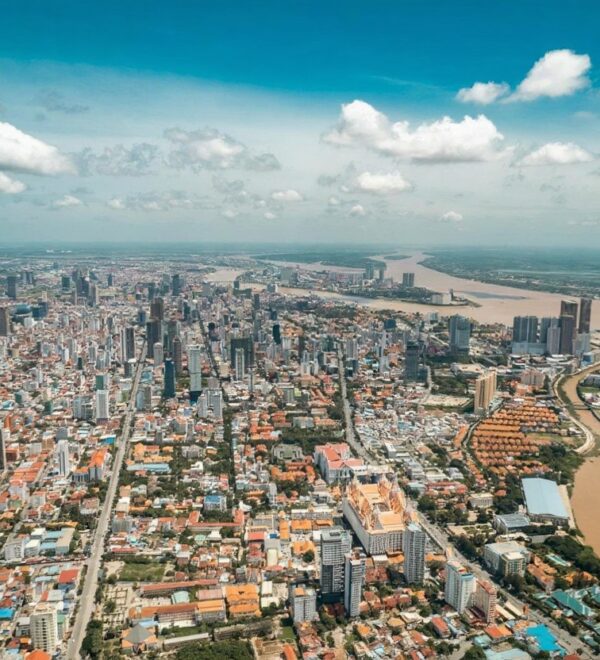
Battambang is Cambodia’s second city by size and the capital of Battambang Province, which sits in the northwest of the country near the Thai border. During the French colonial period it was a significant rice-trading centre — you can see the legacy in the wide riverside boulevard and the French-era shophouses on Street 1 and 2.
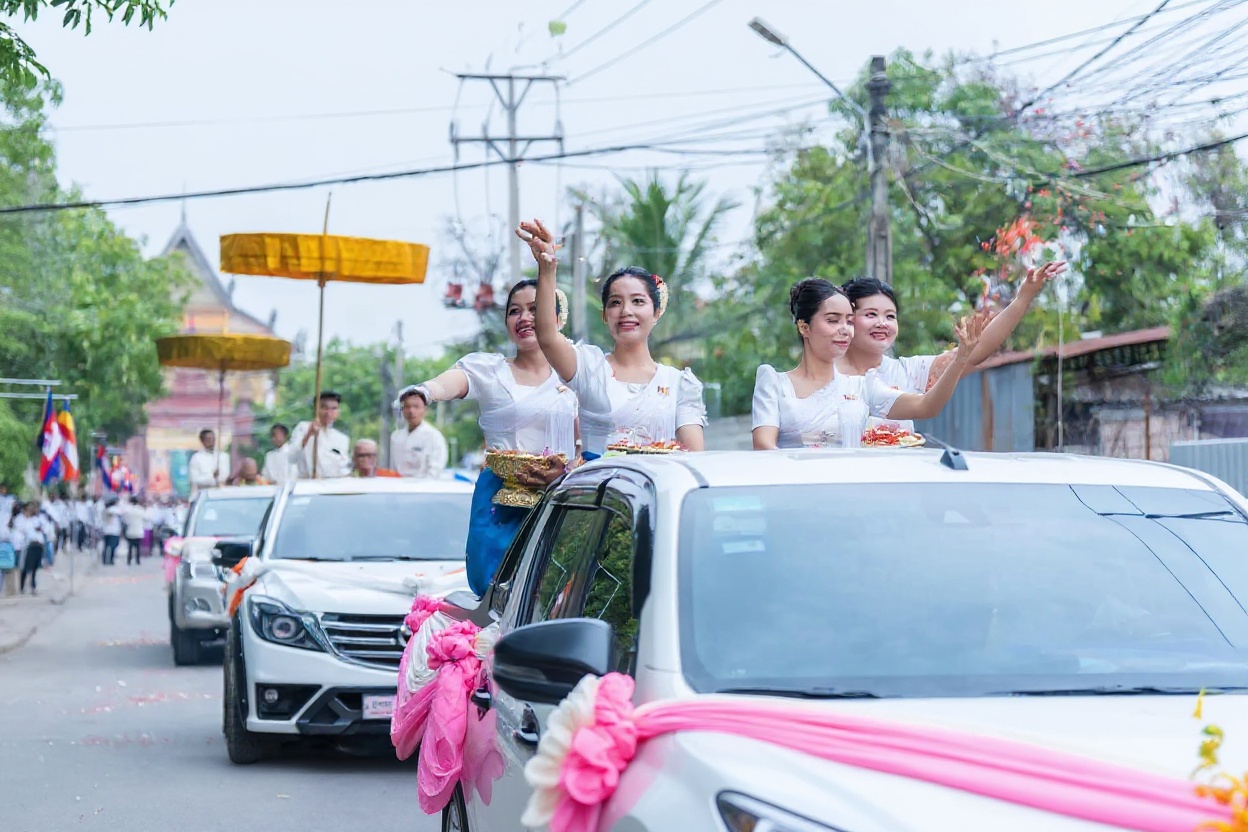
The Khmer Rouge period hit Battambang hard. Several of the temples and hilltop sites in the surrounding countryside are directly connected to that history, which is part of why coming here feels weightier than a Siem Reap temple circuit. Phnom Sampeau in particular — the hilltop with the bat cave — has a killing cave from the 1970s that visitors can and should see. It’s in the same compound as the nightly bat spectacle. Cambodia doesn’t separate these things neatly. You shouldn’t either.
The population now is around 250,000. It’s a working city — markets, schools, motorbike workshops — with a tourist layer that sits alongside rather than replacing the normal life. That’s the quality worth paying attention to.
The Bamboo Train (Norry): Honest Assessment
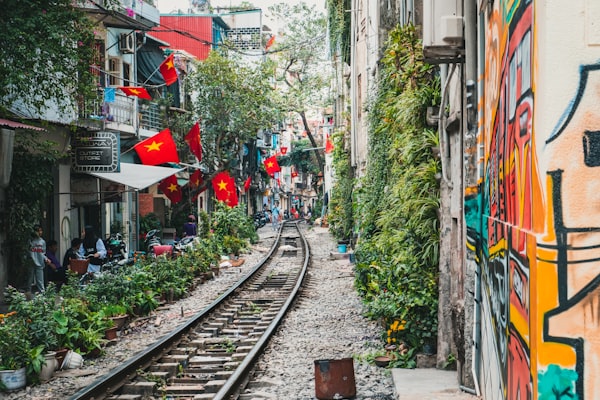
The bamboo train — locally called the norry (say: NOR-ee) — is Battambang’s most-photographed attraction and the thing every guide mentions first. So: yes, it’s worth doing. But let’s be honest about what it is.
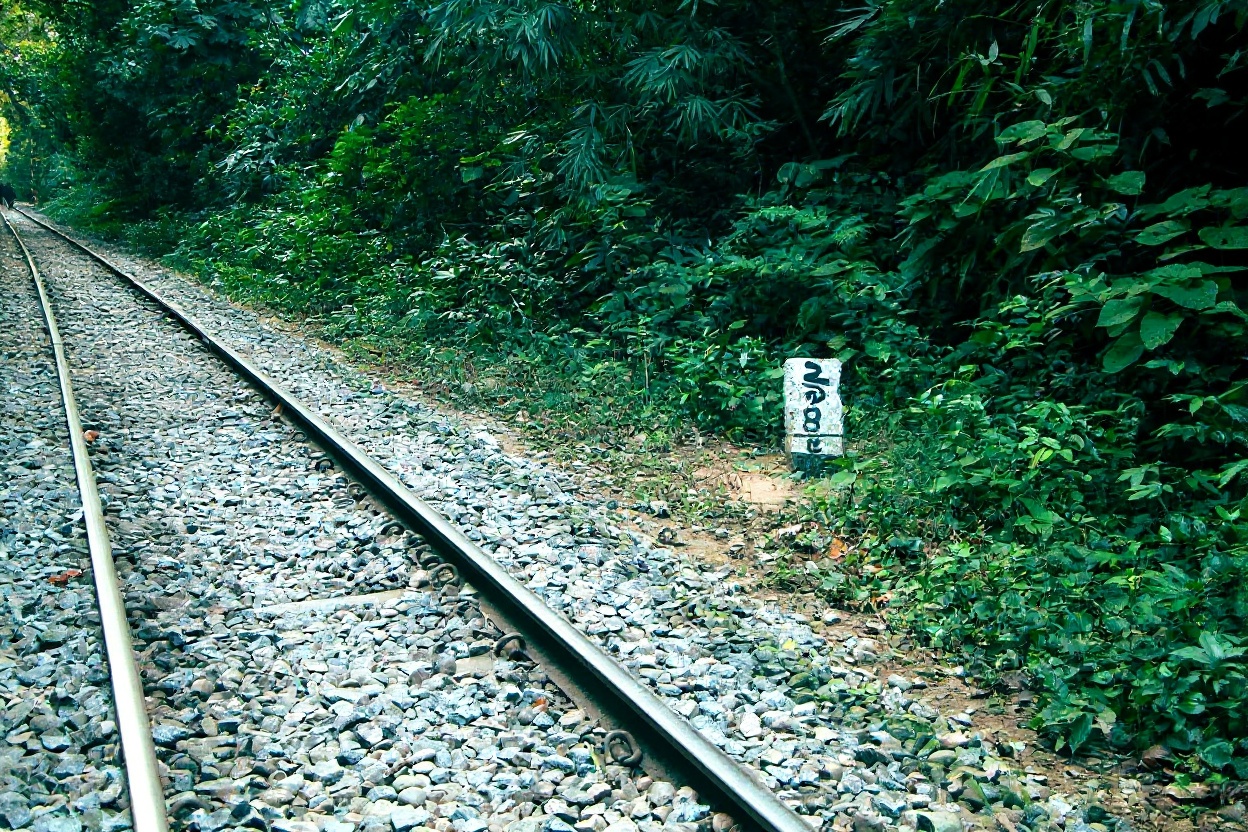
The norry is a flat bamboo platform on repurposed railway bogies, powered by a small engine, that runs along a section of Cambodia’s old rail line south of Battambang at about 15–20km/h. The experience: you sit cross-legged on bamboo slats, wind in your face, rice fields on either side, and every few hundred metres the driver stops to dismantle the entire train so an oncoming norry can pass (the track is single-width — one gives way). You go out about 8km and come back. Total time: about an hour.
It’s genuinely fun. It’s also genuinely touristy. The railway hasn’t been in commercial use for decades — the norry exists specifically for visitors now. The price has climbed: expect $5–8 per person depending on group size and negotiation. You’ll be offered a “village visit” add-on at the far end — optional, fine, adds 30–45 minutes and a small purchase pressure at a craft stall.
Real Talk: The norry is a great hour of your time. It’s not a window into Cambodian daily life — it’s a tourist experience built around an old piece of infrastructure. Both things are true simultaneously. Go in the afternoon when the light is better; the morning sessions get the same sun-exposure but less atmosphere. Arrive early (8am start) if you want a quiet ride — the 10am+ sessions get busy.
| Battambang Quick Facts | |
|---|---|
| Getting there | Bus from Phnom Penh: $6–9, 4–5 hours (Mekong Express recommended) |
| From Siem Reap | Bus: $4–6, 2.5–3 hours. Boat: $18–25, 6–8 hours (scenic but slow) |
| Bamboo train | $5–8 per person — south of town, tuk-tuk there: $2–3 |
| Bat cave | Free entrance to Phnom Sampeau. Bat exodus: dusk, roughly 5:30–6:30pm |
| Phare Ponleu Selpak | Circus shows: $10–15 per person, Tue/Thu/Sat evenings — book ahead |
| Where to stay | Riverside area: $20–45 for a decent guesthouse. Budget: $8–15 dorm |
| Best time | November–March (dry season). Avoid April (intense heat) and July–August (roads can flood) |
| How long | Minimum 2 days. Ideal 3. |
Phnom Sampeau: Killing Cave and Bat Cave
Phnom Sampeau is a limestone hill about 12km south of Battambang, and it contains two things in uncomfortable proximity: a killing cave from the Khmer Rouge period and a bat colony that produces one of the most extraordinary wildlife spectacles in Cambodia.
The killing cave (Phnom Sampeau Killing Cave) is a natural cave shaft that the Khmer Rouge used as an execution site. Victims were pushed or thrown in from above. There’s a reclining Buddha inside and a glass case of remains at the cave entrance. It takes about 20 minutes to visit. It is as difficult as it sounds, and it should be visited. This is part of Cambodia’s history and coming to Battambang without engaging with it is a choice I’d question.
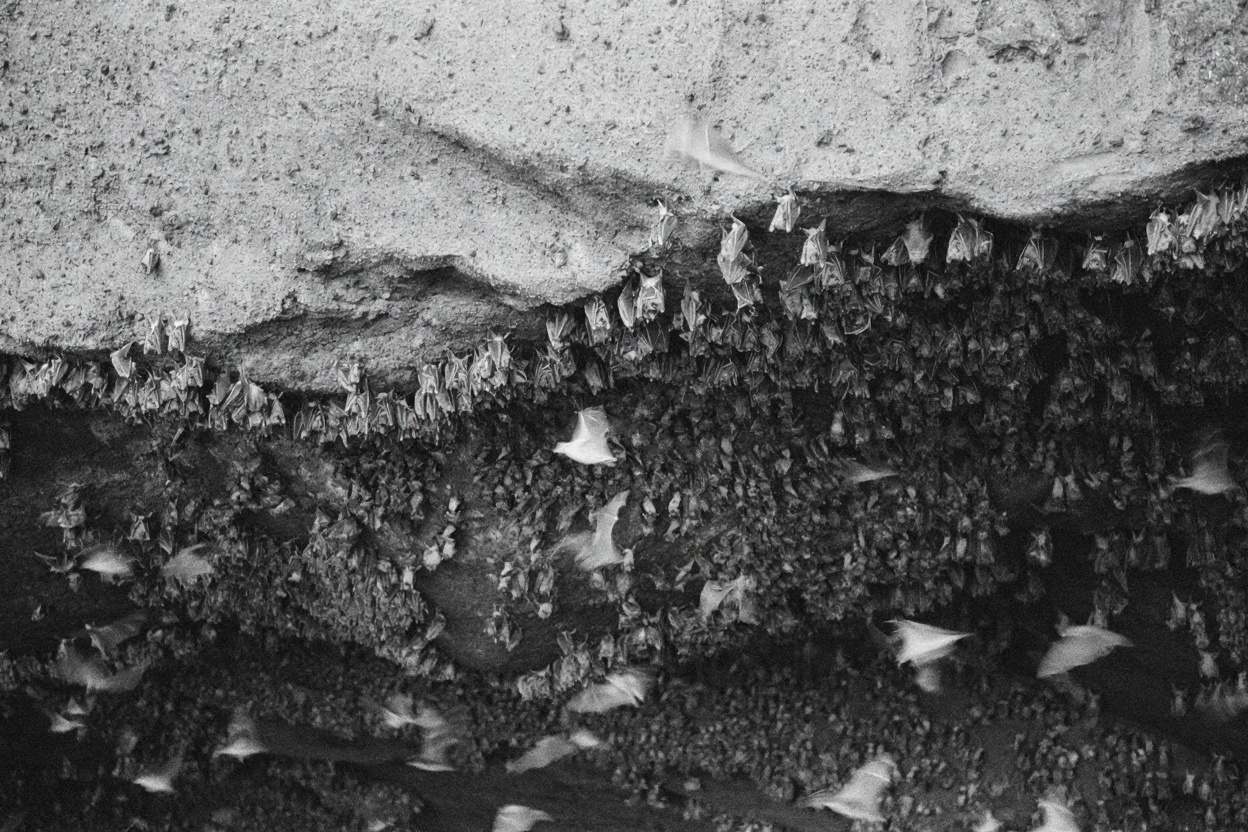
Then, at dusk — roughly 5:30–6:30pm depending on season — approximately 2–3 million bats exit the cave through a fissure in the hillside in a continuous column that lasts 20–40 minutes. The column spirals out from the cave, curves over the surrounding forest, and disperses toward the rice fields to feed. People sit on the hillside and watch. It is completely absurd and genuinely wonderful in equal measure.
The contrast — killing cave in the afternoon, bat spectacle at dusk — is jarring. Cambodia asks you to hold both. Most people find they can.
Getting there: tuk-tuk from Battambang town, $5–7 return including wait time. Entrance to the hill: free. Allow 2–3 hours to see both the cave complex (there are multiple temples on the hill) and stay for the bats.
Phare Ponleu Selpak: The Circus School
Phare Ponleu Selpak (PPS) is a non-profit arts school in Battambang that trains young Cambodians — many from difficult backgrounds — in circus arts, music, and visual arts. The school runs performances several evenings a week, and attending one is the best $10–15 you’ll spend in Battambang.
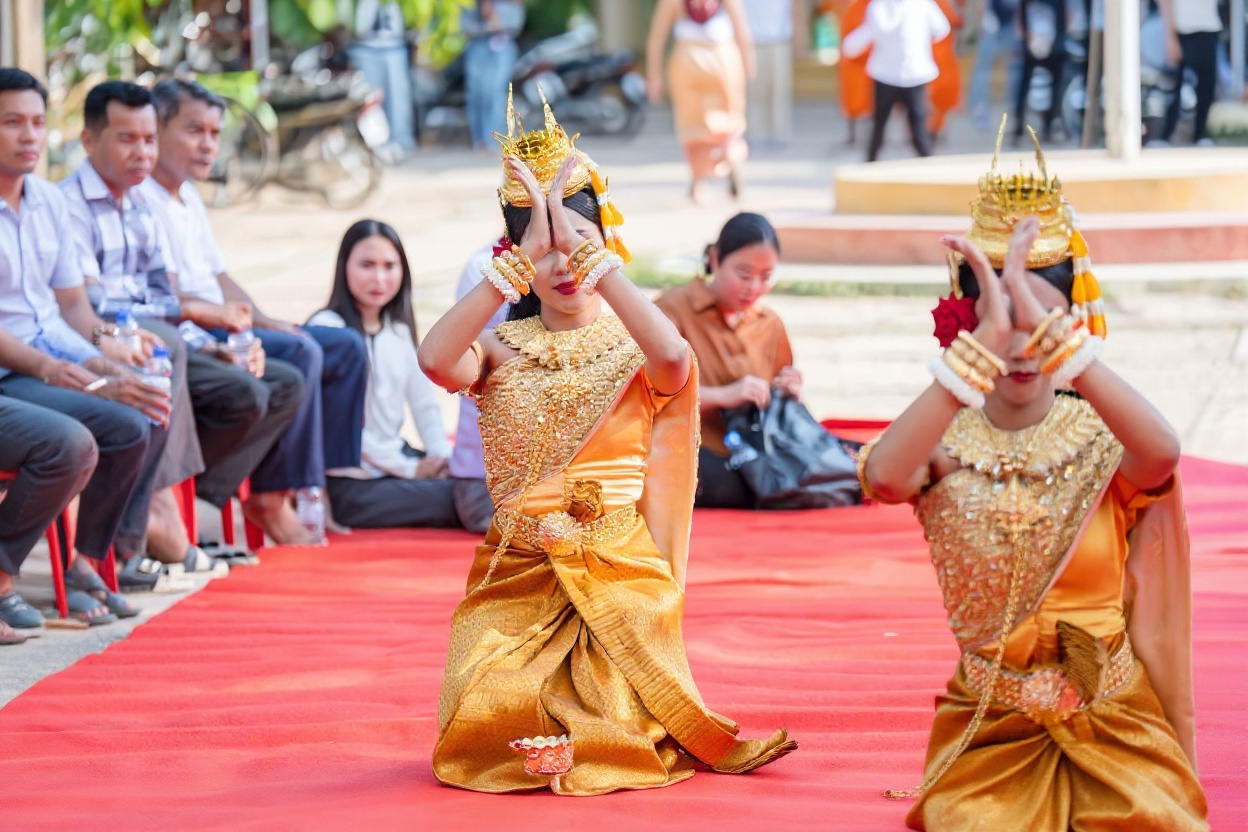
The shows are genuine circus: acrobatics, juggling, clowning, aerial work — combined with storytelling drawn from Cambodian folk tales or contemporary social narratives. The performers are teenagers and young adults who’ve trained at the school. The quality is striking. The atmosphere is informal — outdoor stage, plastic chairs, good-natured crowd.
Performances: Tuesday, Thursday, Saturday evenings. Start time: 7pm. Duration: about 1 hour. Cost: $10 standard, $15 for the better seating section. Book through their website or ask your guesthouse. The show does sell out in peak season — don’t assume walk-up will work on a Saturday night in January.
JAMES’S PICK: Go to Phare on your first evening in Battambang — it reframes how you see the city for the rest of the stay. The school is on National Road 5, a short tuk-tuk from the riverside ($1–2). Stay for a drink afterward in the school’s small bar. The performers come out after the show and it’s a genuinely good conversation.
Battambang Food: The Actual Good Stuff
Battambang has one of the best food scenes of any Cambodian city outside Phnom Penh, and several things specific to the region worth knowing about:
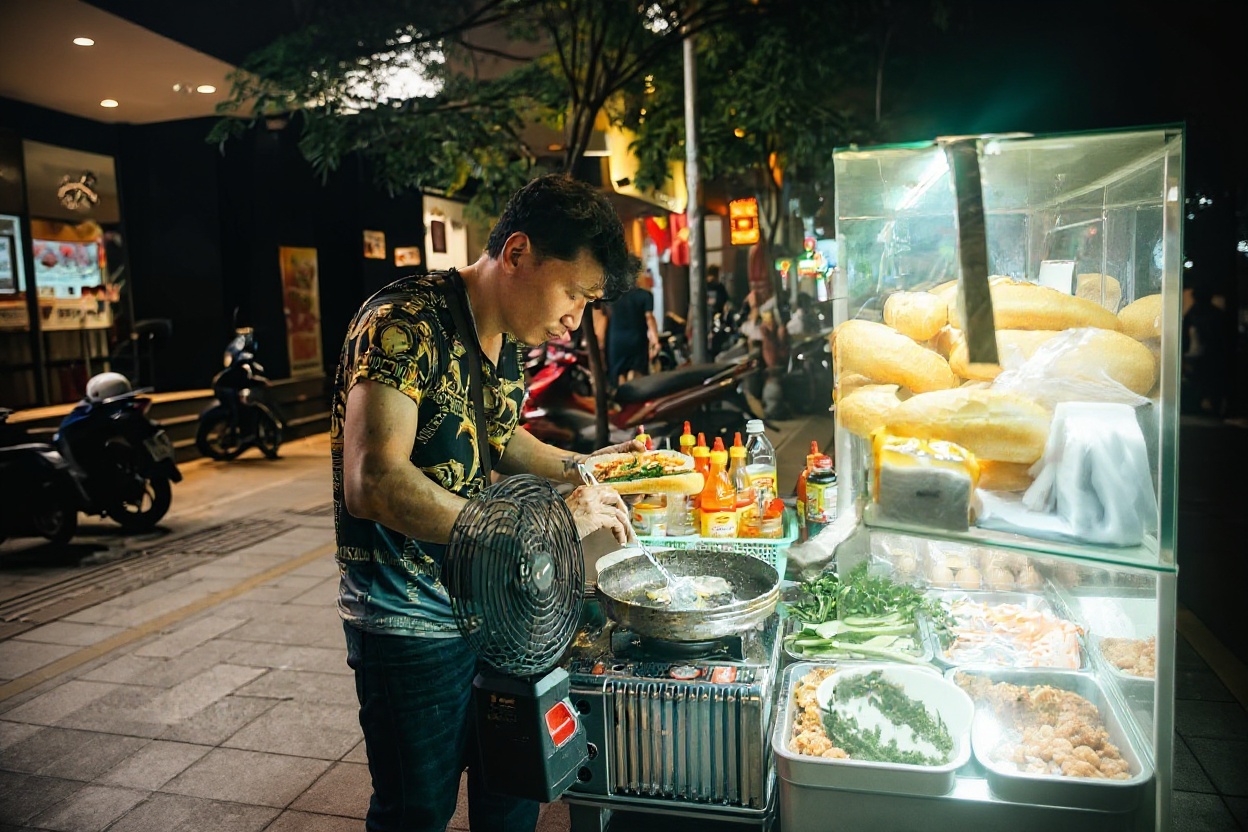
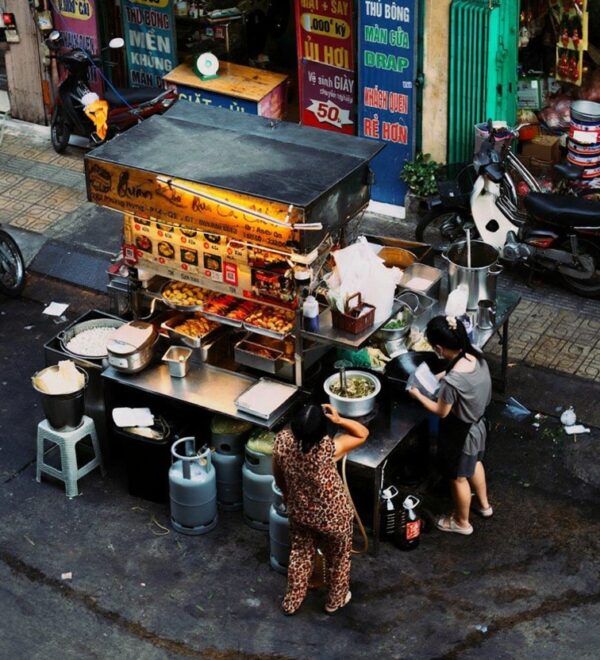
Num Banh Chok (say: NUM ban-CHOK) — fresh rice noodles with a fermented fish-based green curry sauce, eaten for breakfast across Cambodia but particularly associated with Battambang. Find it at the morning market (Psar Nath) from about 6–9am. Cost: 2,000–3,000 riel (~$0.50–0.75). The woman on the eastern corner of the market with the blue tub sells the version that Battambang residents eat rather than the version priced for visitors.
Battambang is also known for its oranges. Yes, really. The province produces some of Cambodia’s best citrus — if you see orange juice pressed fresh at a market stall, this is where it comes from. At 1,000 riel a glass (~$0.25), it’s worth having several.
Jaan Bai — a social enterprise restaurant on Street 2 near the river, run as a training restaurant for at-risk youth. The food is genuinely good Cambodian and pan-Asian, prices are $5–12 a dish, and the setting (colonial shophouse, open kitchen) is as comfortable as Battambang gets. This is the place for a proper dinner on a non-Phare evening.
Smokin’ Pot — cooking classes at $25–30 per person, morning session. Includes market visit first, then cooking three or four dishes. One of the better value cooking class experiences in the country — smaller groups than Siem Reap equivalents, more hands-on.
Battambang’s Colonial Architecture
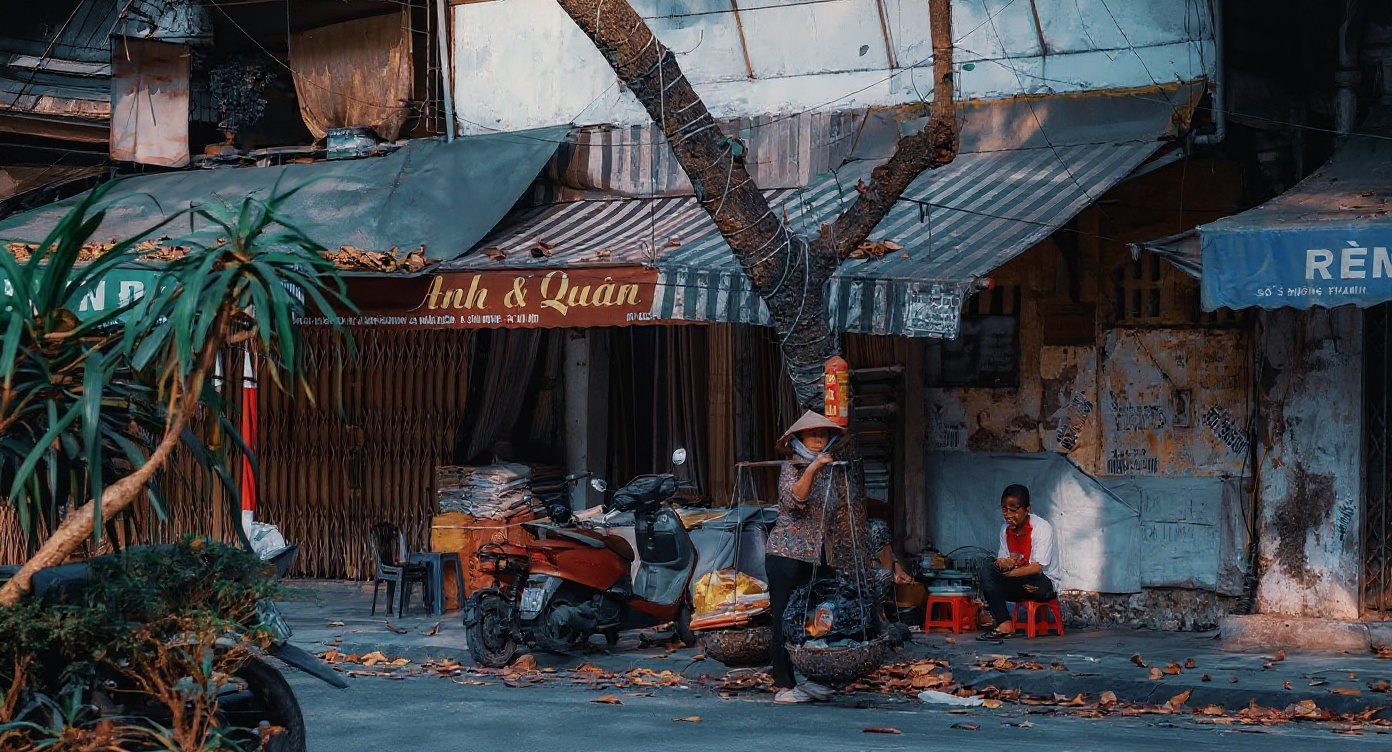
The French-era buildings along Streets 1, 2, and the riverside are among the best-preserved examples of colonial shophouse architecture in Cambodia. Most are still in commercial use — pharmacy at ground floor, family apartment above — which is why they look inhabited rather than staged for photos.
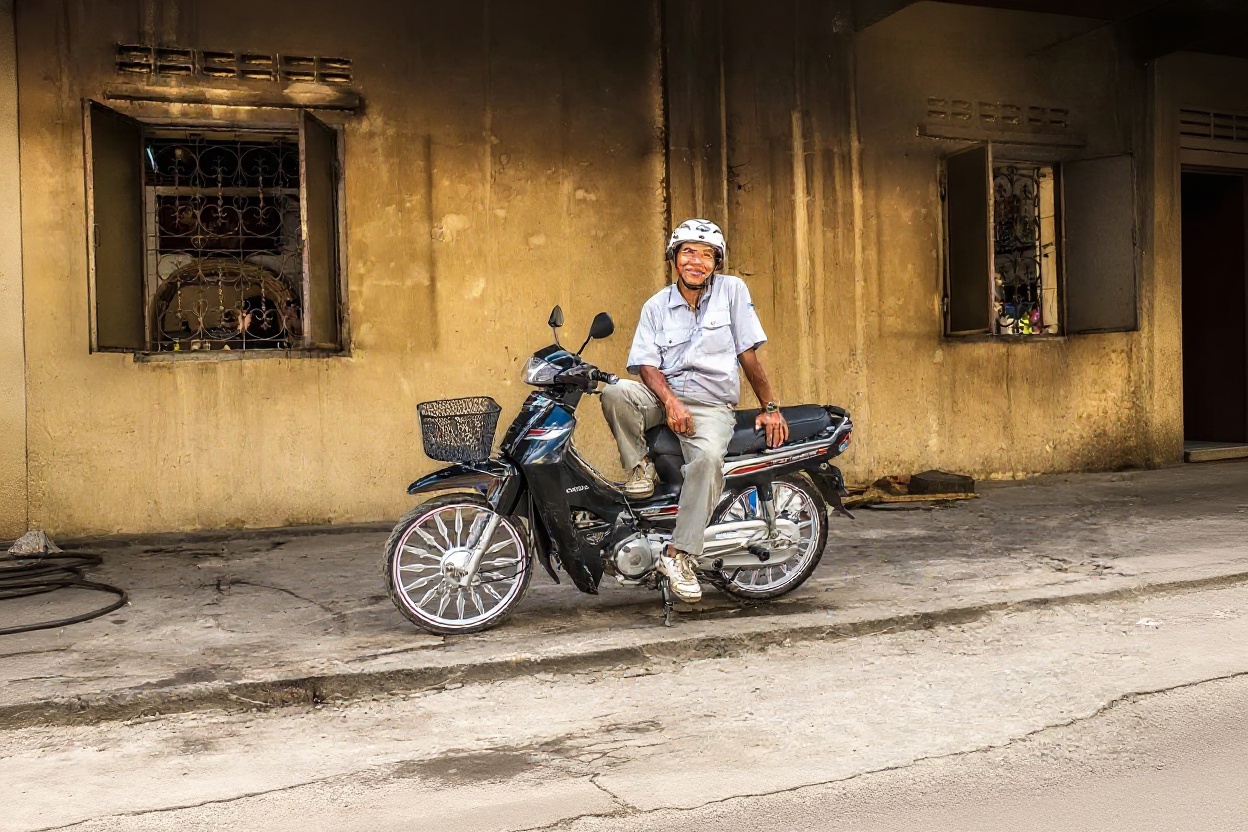
The Governor’s Residence (built 1907) is on the river at the north end of town. It’s not open to visitors but the exterior — yellow colonial stucco with green shutters, surrounded by frangipani — photographs well in the morning light before the street heats up. Across the road, the old railway station is a quieter landmark: unused for decades but still standing, with original tile work visible through the fence.
Walk rather than tuk-tuk this section. The streets are flat, the shade is reasonable before 10am, and the scale makes sense on foot. Two hours covers the riverside loop including the temple at the south end (Wat Dhum Rey Sar) and back via the market.
Battambang Day Trips: Wat Ek Phnom and the Wine Village
If you have a third day or a free afternoon, two places outside town are worth the tuk-tuk fare:
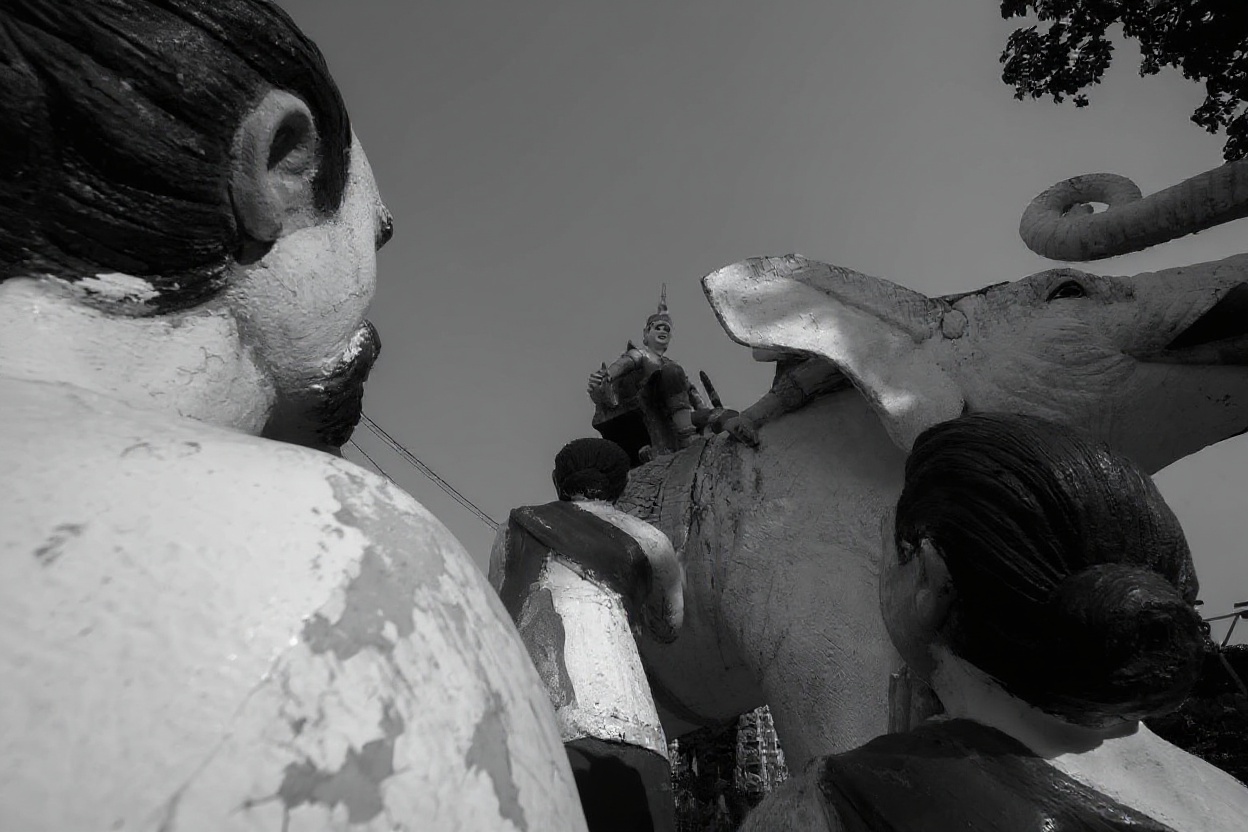
Wat Ek Phnom — a partly ruined 11th-century Angkorian temple about 11km north of Battambang, set alongside a modern working pagoda. This is what Angkor-era temples look like when they haven’t been heavily restored and haven’t become a major tourist circuit: large carved sandstone blocks sitting at odd angles, tree roots making progress on the walls, a handful of monks going about the day in the adjacent modern wat. Entry: free (small donation expected at the pagoda). Tuk-tuk from town: $5–8 return. Best in the morning before 9am — the combination of mist off the surrounding rice paddies and the pre-tour-bus quiet makes this the kind of visit that costs $5 and feels like a private archaeological expedition.
Phnom Banan — another Angkorian hilltop temple, about 22km south of Battambang. Requires climbing 358 steps to reach. The temple is smaller than Angkor Wat in every dimension but the views from the top over the surrounding rice paddies are the main point, and they’re worth the climb. Go before 10am before the heat makes the stone steps an active hazard. Tuk-tuk: $8–12 return including wait time.
The “wine” village at Prasat Banan — near Phnom Banan, a cluster of family producers making palm wine (a fermented palm sap drink) and homemade rice wine. It’s tourism-facing now — you can stop, taste, buy — but the production is real and the families have been doing it for generations. Cost: tasting is usually free with expectation of purchase; $3–5 for a litre of the better stuff. Add it onto the Phnom Banan tuk-tuk run rather than making it a separate trip.
Where to Stay in Battambang
The riverside area (along the Stung Sangkae River, around Streets 1 and 2) is where you want to be — everything walkable, good café density, quiet enough to sleep. Here’s what actually exists at different price points:
La Villa (Street 1, south of the bridge) — a restored French colonial villa with 12 rooms, outdoor pool, restaurant. Doubles $45–60. The building is the best colonial property in Battambang and worth the price if you care about where you sleep. Pool is small but usable. Breakfast included. Book ahead in December–January.
Bambu Hotel (NR 5, north end of town) — designed by Khmer architecture students, open-air bungalow style. Doubles $30–45. Slightly removed from the main restaurant cluster but has its own excellent restaurant and garden. If you’re coming for the Phare circus (which is on National Road 5), this is well-placed.
Seng Hout Hotel (Street 2) — the reliable mid-range option, clean rooms with air-con, doubles $15–25 depending on floor and view. No pool, functional café at ground level, right in the middle of the old town. The rooms overlooking the street are noisier but more interesting; the interior rooms are quieter.
Guesthouses under $15: A cluster of family-run guesthouses on Streets 1.5 and 2.5 offer basic air-con rooms for $8–12. Clean but minimal — fine if you’re spending all day out and just need somewhere to sleep. Bric-a-Brac Guesthouse and Soksabike Guest House (the latter attached to a cycling tour operator) are the most consistently recommended in this bracket.
The Mistake James Made in Battambang
First time I came here, I stayed one night. Classic miscalculation — Battambang looked manageable on a map, I’d booked Siem Reap for the next morning, and I thought I could cover the highlights before the noon bus.
What I didn’t account for: the bat cave is a dusk thing. The norry is best in the afternoon. Phare Ponleu Selpak performs in the evening. Every good thing in Battambang happens at a specific time of day that doesn’t overlap with ‘get the noon bus.’
I saw the Governor’s Residence, ate num banh chok at the market, and spent an hour sweating through my shirt on the bamboo train at 10am in direct sun. Missed the bats. Missed the circus. Left feeling like I’d seen a thumbnail of a place that deserved a full image.
Came back for three days the following year. That was the correct call. Two nights minimum — ideally arriving in the late afternoon, catching Phare that evening, spending day two on the norry and Phnom Sampeau, using the morning of day three for the market and the colonial streets before catching the afternoon bus out.
Getting Around Battambang
Battambang is flat and compact. Most of the central attractions — the old town, riverside, markets, Jaan Bai restaurant — are within walking distance of each other. What isn’t walkable (Phnom Sampeau bat cave, bamboo train, Wat Ek Phnom) is 12–22km out and requires a tuk-tuk or motorbike.
Tuk-tuks: everywhere, $1–2 for short in-town trips, $5–12 for out-of-town sites. Negotiate before you get in — agree the total price for the round trip including wait time, not just the one-way fare. Most guesthouses can arrange a trusted driver for the day ($20–30 for a full-day circuit covering bamboo train, Phnom Sampeau, and one or two temple sites).
Cycling: Soksabike Tours operates guided cycling tours of the surrounding countryside ($25–35) and rents bikes independently ($3–5/day). If you’re comfortable cycling in Cambodian traffic and know where you’re going, this is the best way to see the villages south of town at your own pace. The road to the bamboo train is flat and bikeable in cooler weather (November–February). The road to Phnom Sampeau has more traffic and is better by tuk-tuk.
Motorbike rental: $6–10/day for a manual semi-automatic. Fine if you can ride — the town traffic is lighter than Phnom Penh and the roads out to the temples are in decent condition. Not recommended if this is your first time on a motorbike in Southeast Asia.
Cash: Battambang runs on a combination of USD and Cambodian riel (KHR). ATMs on the main streets dispense USD. Markets prefer riel for small purchases. Have both — $1 bills are useful for tuk-tuks, 1,000–2,000 riel notes for market food.
- How do I get from Phnom Penh to Battambang?
- Bus is the standard option — Mekong Express or Giant Ibis both run the route, $6–9, 4–5 hours. Depart from Phnom Penh’s Central Bus Station or the operator’s own terminal. Morning departures (7–8am) are the most useful — you arrive mid-afternoon with the day still ahead. A shared taxi is faster (3 hours) and costs $12–15 per seat; private taxi around $40–50 for the car.
- Is the Battambang boat from Siem Reap worth taking?
- The slow boat from Siem Reap via Tonle Sap Lake runs in wet season (June–November) and is a genuine experience — 6–8 hours through floating villages and the lake. In dry season it stops running or gets painfully slow in low water. Cost: $18–25. Worth it once if you have the time and you’re going in the right direction. Don’t backtrack for it.
- How many days do I need in Battambang?
- Two nights minimum. Day 1 evening: Phare Ponleu Selpak circus. Day 2: norry in the afternoon, Phnom Sampeau at dusk for bats. Day 3 morning: colonial streets and market before your onward bus. Three days is comfortable; more if you want to explore the surrounding countryside (Wat Ek Phnom, wine village, surrounding rice paddies).
- What’s the best area to stay in Battambang?
- The riverside area (along the Stung Sangkae River) has the best guesthouses in a walkable cluster. La Villa (French colonial guesthouse, doubles $45–60) is the top-end option and genuinely beautiful. Budget: Seng Hout Hotel ($15–25) or the cluster of guesthouses on Street 1.5 ($8–20). All are within walking distance of the restaurants, market, and tuk-tuk hub.
- Is Battambang safe for solo travellers?
- Yes. Battambang is one of Cambodia’s safer and more relaxed cities — lower hustle than Siem Reap or Phnom Penh, genuinely manageable on foot or tuk-tuk. Standard Southeast Asia sense applies at night: stick to lit streets, share a tuk-tuk back from Phnom Sampeau before dark if you’re alone. The bat cave at dusk has enough other visitors that you’re never isolated.
Two nights. Phare on arrival evening. Norry in the afternoon sun, bats at dusk on day two. Colonial streets and market on the morning out. That’s Battambang done properly. It’s not a long detour from the Phnom Penh–Siem Reap corridor — it’s what happens when you decide the corridor isn’t enough. Questions below, I check them.